
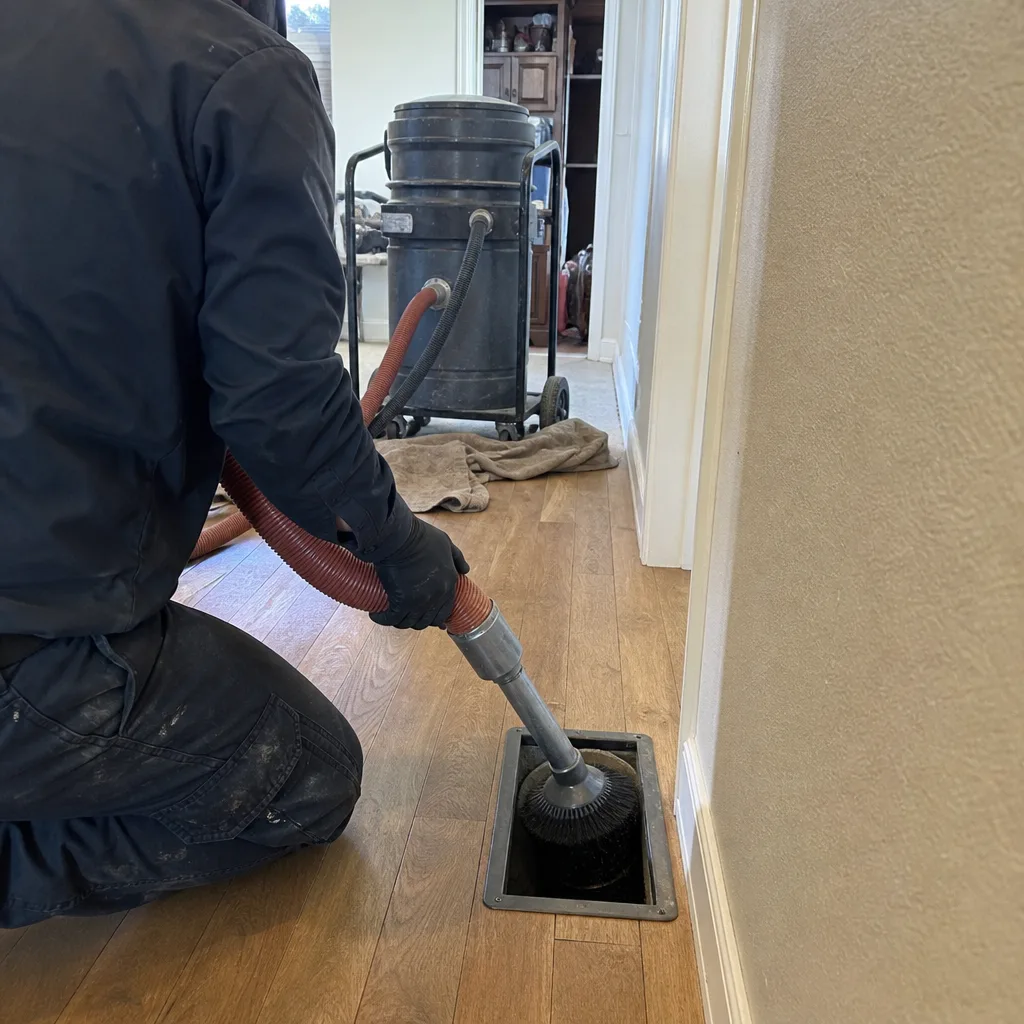
Last updated November 16, 2026
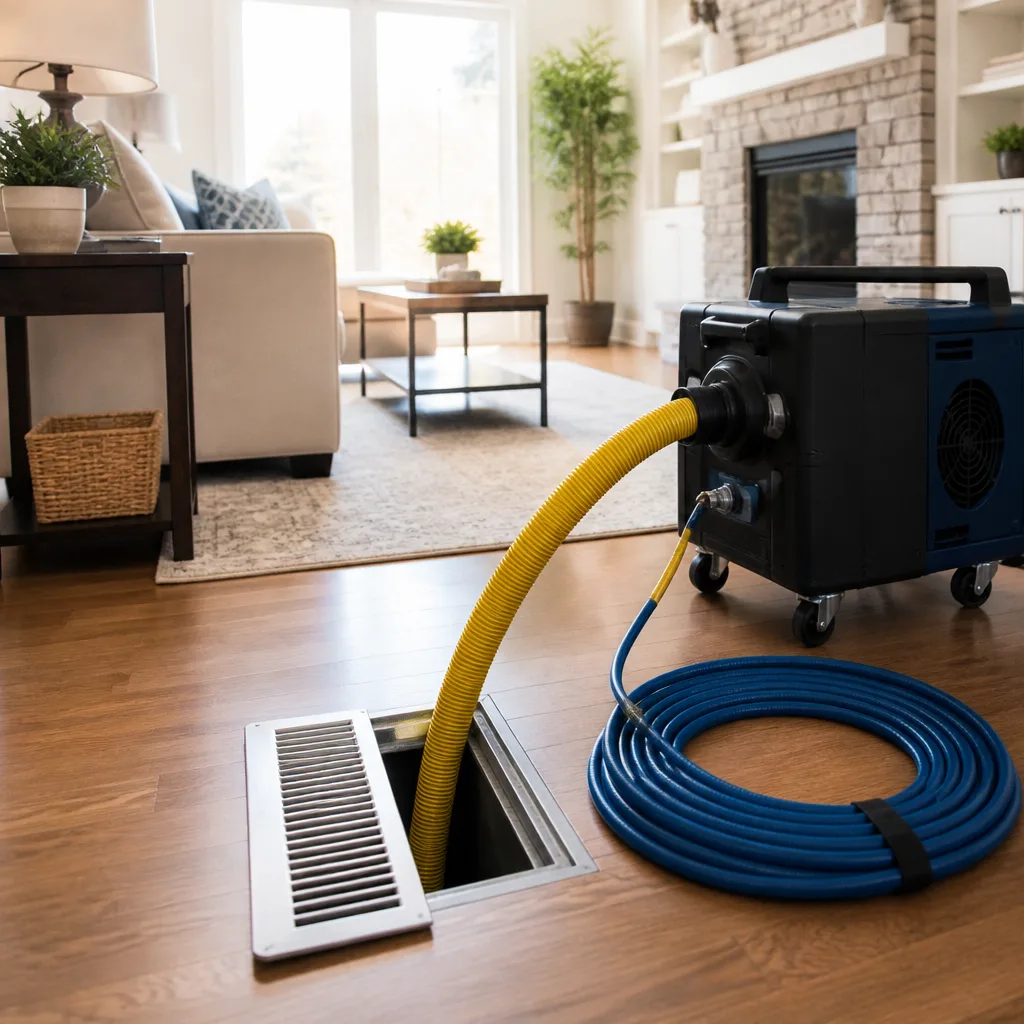 Whole-home duct cleaning
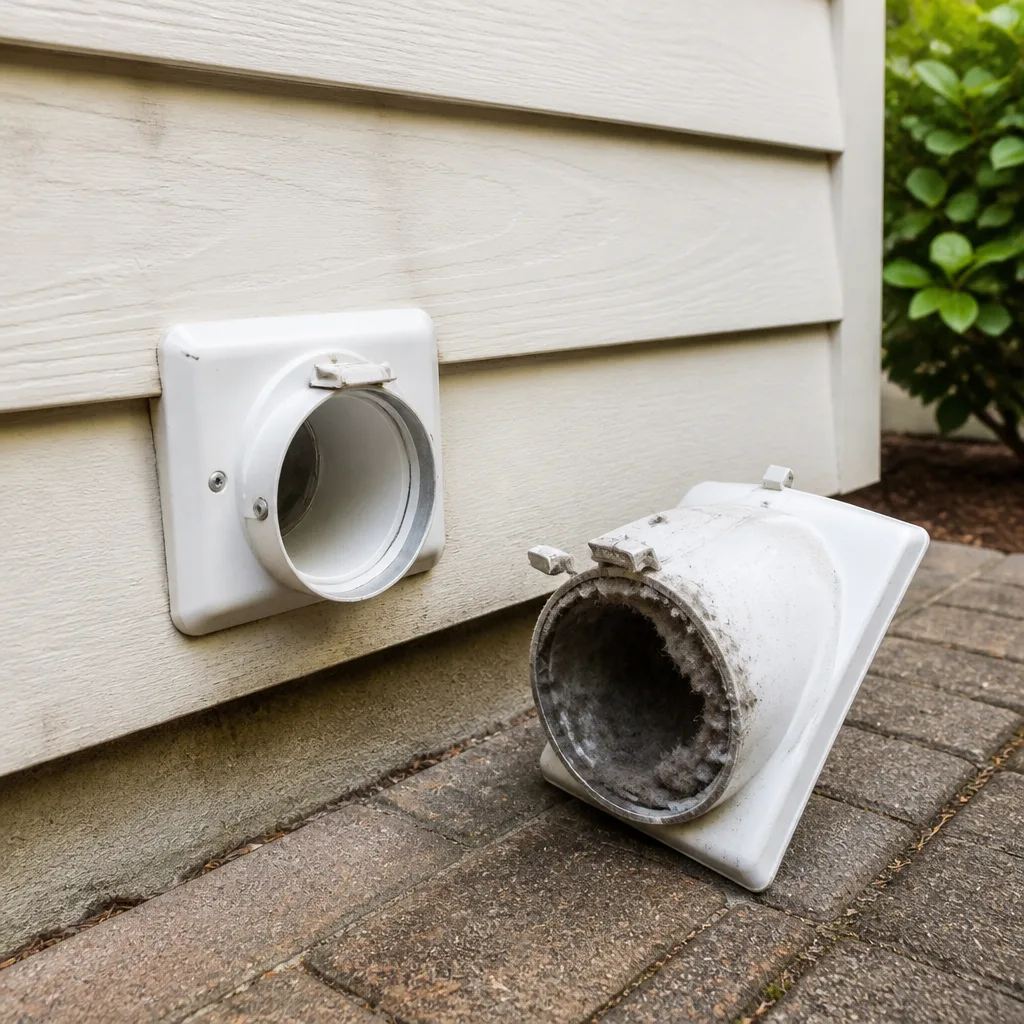 Dryer vent cleaning
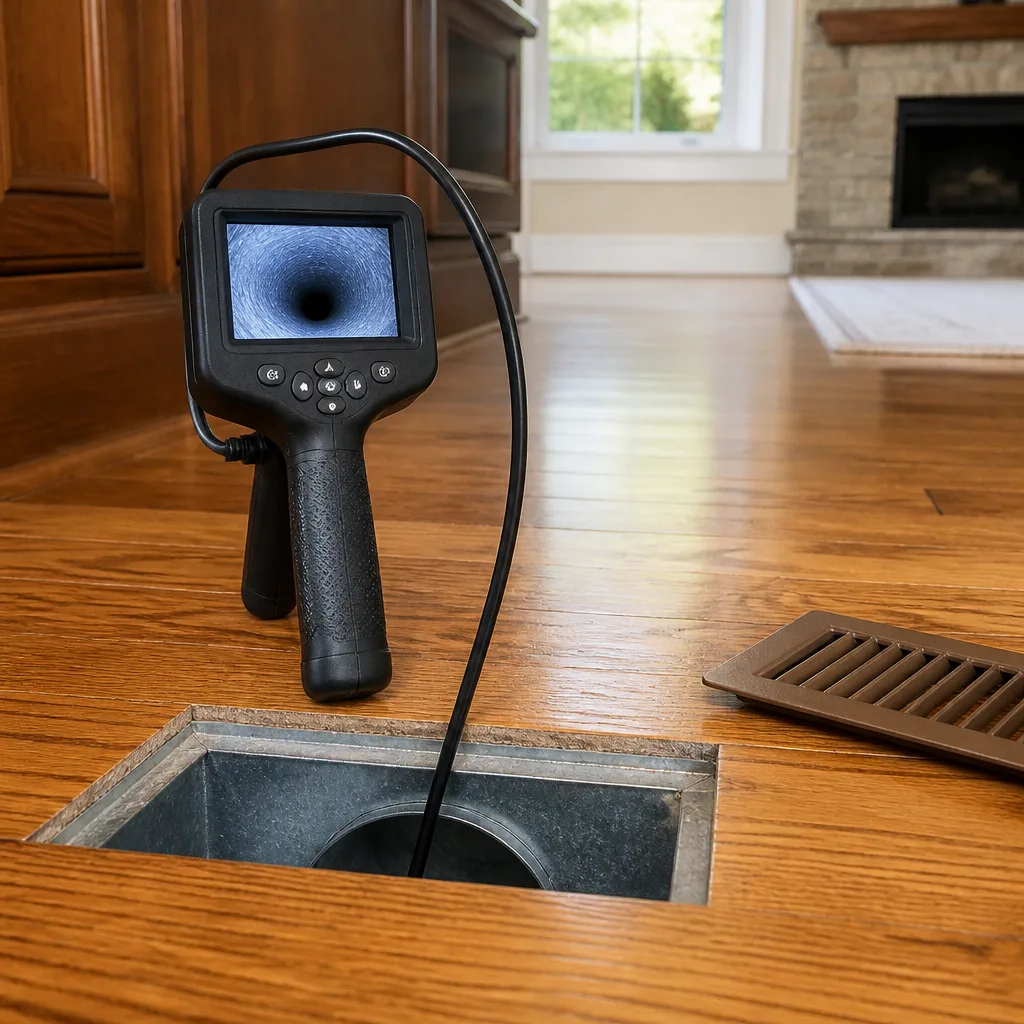 Camera inspection
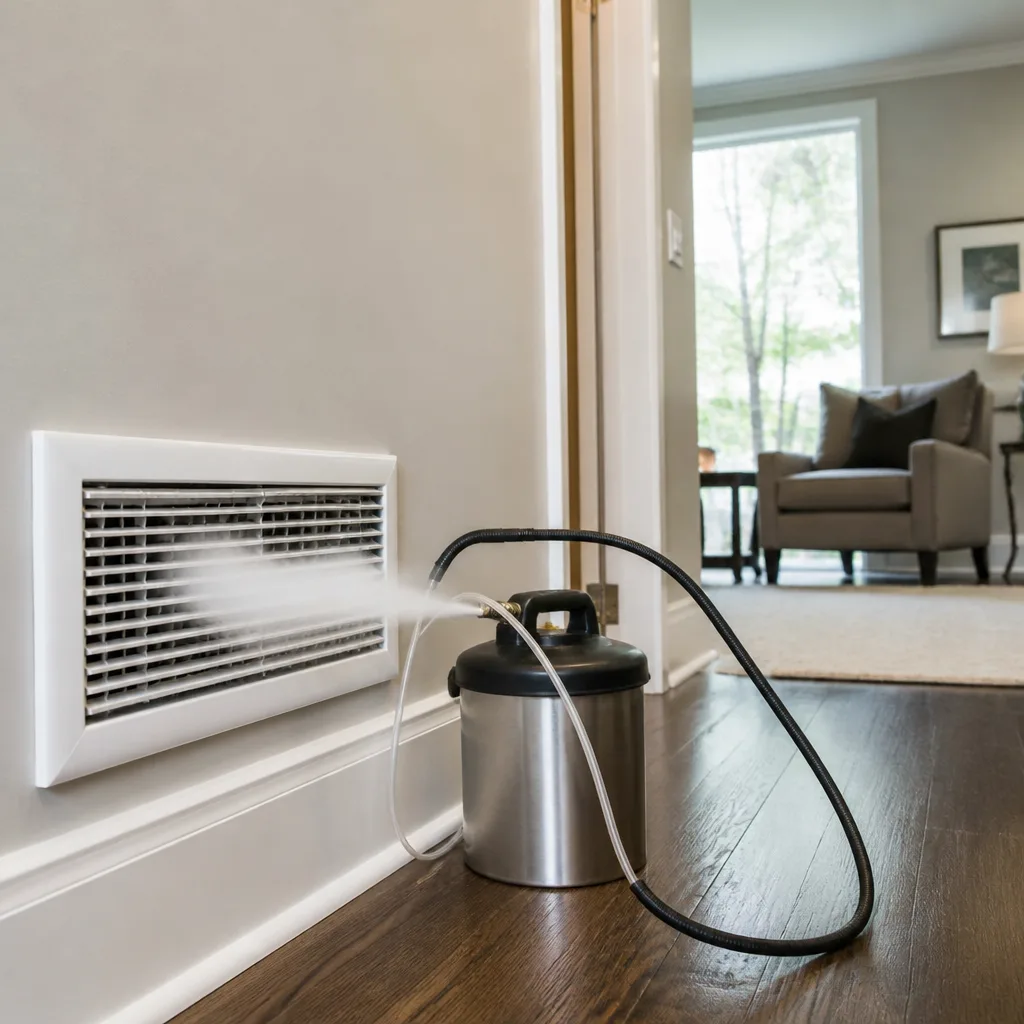 Sanitizing & deodorizing
Whole-system duct and dryer vent check with before-and-after photos - you see exactly what came out of your vents
That "$99 whole-house special" is a bait ad - the real number appears once they are in your hallway, or the "clean" is a shop-vac at the register. We photograph the inside of your ducts before and after instead.
DIY vs Professional Air Duct Cleaning: The Kent Homeowner’s Decision Guide
Most homeowners who ask about DIY duct cleaning are picturing the wrong job. They picture the supply register in the hallway, the visible grille, maybe the short run of flex duct they can reach from the crawlspace hatch. That part really is a Saturday project. But a duct system is not a collection of registers. It’s a connected network of trunk lines, plenum transitions, branch runs, and return paths, and the cleaning that actually changes your indoor air starts at the far end of that network and works back toward the equipment. In Kent, where crawlspace and attic duct layouts are the norm and a lot of housing stock has been retrofitted over time, that network is often longer, more irregular, and more fragile than it looks from the floor vent. This guide covers what a homeowner can legitimately handle, what genuinely requires professional equipment, and how to tell the difference before you buy a shop vac you’ll use twice.
Quick Answer
You can clean register covers, grilles, and the short accessible duct stub behind them yourself, and you should. You cannot meaningfully clean a full duct system with consumer equipment, because the source-removal method requires sustained airflow and mechanical agitation at a volume household vacuums cannot produce. In Kent, where crawlspace flex runs and attic rigid trunk lines are common, the risk of damaging ductwork during a DIY attempt is also higher than in a simple basement layout. Professional cleaning exists because the physics demand it, not because the technique is secret.
Styles & brands we work with
- Whole-home duct cleaning
- Dryer vent cleaning
- Camera inspection
- Sanitizing & deodorizing
Table of Contents
- Why Airflow Math Decides This Question
- What You Can Genuinely Do Yourself
- The Duct Configurations Common in Kent Homes
- Which Layouts Are Highest-Risk for DIY Damage
- When the DIY Attempt Costs More Than the Job
- How to Prepare Before a Professional Visit
- What Professional Equipment Actually Does
- Common Mistakes to Avoid
Why Airflow Math Decides This Question
Duct cleaning is not scrubbing. It’s a controlled negative-pressure process: you agitate debris off the duct walls with a rotary brush or air whip, and simultaneously pull that loosened material toward a collection unit through a high-volume vacuum. If the vacuum can’t move enough air to keep the debris entrained, the material you just loosened settles back down somewhere else in the system. You haven’t cleaned the duct. You’ve redistributed the dust.
The unit of measure that matters is cubic feet per minute, or CFM. A typical household shop vac pulls somewhere in the range of 100 to 200 CFM at the hose, and considerably less once you’ve added 20 feet of narrow hose and a restriction at the far end. A professional duct cleaning vacuum connected to a trunk line operates in a completely different range, moving several thousand CFM through the system to maintain the airflow needed to carry debris back to collection. The working ratio for a real trunk line job is roughly twenty to one, and often more once you account for the friction losses in a long run.
What that means practically:
- A shop vac at a register can pull surface dust from the first foot or two of a branch run. Beyond that, airflow drops below the threshold needed to move material.
- Rotary agitation is what lifts adhered debris off the duct wall. Without a rotary brush system, you’re cleaning the loose fraction and leaving the rest.
- Collection is not optional. Loosened debris that doesn’t reach a collection unit ends up on your furniture, in your return air, or back in the supply stream.
None of this is a knock on the homeowner. It’s just hardware. Consumer equipment is engineered for garage cleanup, not for maintaining airflow across a hundred-plus feet of connected ductwork. The professional tools that do it, rotary brush systems and high-volume collection units, exist because the job requires them.
What You Can Genuinely Do Yourself
There’s a real list here, and it’s worth taking seriously. A homeowner with basic tools and a little patience can handle several parts of duct maintenance that professionals charge for as part of a broader job, and doing them yourself is not wasted effort.
Register and grille cleaning
Pop the supply and return covers off, wash them in a utility sink or outdoors with a hose, and let them dry fully before reinstalling. Dust accumulates on the grille face and behind the louvers quickly, especially in Kent homes near arterial roads or with pets. This is a twenty-minute task that visibly improves how the room feels.
Register box and short accessible stub cleaning
The short section of duct directly behind a register, often a foot or two of flex, is accessible enough to vacuum with a hose attachment. Wipe it down, check for visible debris, reinstall the cover. Don’t force anything down further than the run is straight.
Visual inspection of accessible flex duct
If your crawlspace hatch opens and you can see the flex runs without disturbing them, look for kinked sections, disconnected collars, torn outer jackets, or condensation. Note what you find. This information is genuinely useful to a technician and it’s information you can gather safely.
Dryer vent maintenance
The short section between the back of the dryer and the wall can be pulled off, vacuumed, and reattached. This is worth doing regularly, because dryer vent cleaning addresses a documented leading cause of residential structure fires, and the accessible tail is where lint starts. What you should not attempt is cleaning the full run inside the wall or through the roof, which requires dedicated tools and, if it’s damaged, air duct repair expertise.
Add a filter change to the list while you’re at it. A clean filter upstream of the system reduces the load on everything downstream.
The Duct Configurations Common in Kent Homes
Duct layout in Kent varies more than it does in many Puget Sound communities, because the housing stock ranges from mid-century ranch homes to newer construction, and a lot of it has been modified along the way. The three layouts you’ll encounter most:
Crawlspace flex duct
Common in ranch-style and split-level homes. Flexible insulated duct runs through the crawlspace from a plenum to floor registers. This layout is easy to inspect and easy to damage: flex duct kinks if bent too sharply, the outer jacket tears on framing nails, and sagging runs collect condensation. In a wet Pacific Northwest climate, that condensation matters. Soggy insulation on flex duct is a genuine problem, not a cosmetic one.
Attic rigid trunk with flex branches
Old rigid metal trunk line in the attic feeding flex branches to ceiling registers. The rigid trunk is durable but often unsealed at the seams, and attic temperature swings in summer heat cause the metal to sweat and pick up dust along the joints. This configuration is where you most often find disconnected collars that are silently dumping conditioned air into the attic.
Combination systems
Crawlspace and attic runs off a shared plenum, sometimes with wall-chase sections nobody has looked at since the house was built. These are the layouts that most need a professional assessment, because part of the system is invisible and can’t be evaluated from either access point.
If your home sits in a neighborhood with older housing stock, say around the Kent valley floor where ranch homes are common, expect flex and expect it to be worth inspecting. Newer construction usually has straighter, better-sealed runs but occasionally shortcuts in collar attachment.
Which Layouts Are Highest-Risk for DIY Damage
The question isn’t just whether DIY cleaning works. It’s whether a DIY attempt can make the system worse. In three layouts, it can.
Attic rigid duct with accessible seams
The temptation is to shove a shop vac hose into an opened seam and suck out what’s there. The risk is that you loosen debris from a trunk line you can’t reach and pull it toward the plenum or into the equipment cabinet. Attic work also means hot, cramped, awkward conditions in summer, and the pressure to force a hose through a tight turn is high. If a rigid trunk system is disconnected or leaking, cleaning it without repair just moves the problem.
Crawlspace flex with tight bends
Flex duct will not survive a homeowner forcing a vacuum hose around a tight elbow. Once the inner liner tears, the duct starts collecting debris at the tear, and airflow to that room drops. The homeowner then cleans harder. The cycle ends with a replacement run.
Wall-chase runs with no access
Some Kent homes have branch runs that disappear into a wall cavity. There’s no safe way to inspect or clean these without specialized camera equipment. If a room stays cold or dusty no matter what you do, that’s not a job to force. That’s a call.
None of these are DIY injuries waiting to happen in a safety sense. They’re financial injuries: a damaged flex run or a debris redistribution that requires a professional visit anyway, at which point you’ve paid for the shop vac and the cleanup.
When the DIY Attempt Costs More Than the Job
The honest cost comparison here isn’t “shop vac price vs. service price.” It’s the cost of a DIY attempt plus the cost of what the DIY attempt missed.
Three scenarios where the DIY route loses on cost:
- Debris redistribution recontaminates the home. Loosened dust that doesn’t reach a collection unit ends up on surfaces, in the return air, and back out of registers. You’ve paid for a vacuum, spent the afternoon, and now need a professional visit plus a housecleaning.
- A disconnected collar goes undetected. A single unsealed joint in an attic trunk line can be silently dumping conditioned air into the attic for months. A DIY cleaning won’t find it. A professional visit will.
- Water intrusion or mold goes unnoticed. Wet insulation on crawlspace flex, condensation inside rigid duct, musty odors after the rainy season: these are the kinds of problems that turn a cleaning into a repair job if left alone.
The math changes when the ductwork is genuinely compromised. An air duct repair call is where cleaning and fixing converge, and where a DIY attempt was never going to solve the problem in the first place.
Conversely, if the ductwork is intact, the home is clean, and the homeowner is diligent about registers and filters, running a shop vac at those accessible surfaces for an afternoon is a reasonable way to bridge between professional visits.
How to Prepare Before a Professional Visit
The legitimate DIY contribution to a professional cleaning is in preparation. Handle these tasks before the technician arrives and the job runs shorter, cleaner, and easier to execute.
- Clear access to registers and returns. Move furniture, rugs, and anything blocking a grille. This is the single biggest time-saver on a Kent home with multiple levels.
- Identify access points. Know where the crawlspace hatch and attic access are, and clear the path to them. If you’ve noticed a register that stays cold no matter what, note it.
- Change the filter. A dirty filter upstream of the system means a dirtier return and more dust for everyone. Replace it before the visit.
- Note visible concerns. Write down anything you’ve observed: musty odors, kinked flex, water stains near a register, a room that’s always dusty. Fabricating symptoms is unhelpful; accurate observation is worth its weight.
- Remove breakables and items near register areas. Cleaning generates particulate, and while a proper job uses controlled collection and air filtration on site, having a clear working area makes everything easier.
- Keep pets and small children out of the working area during the visit. This is courtesy and safety, not caution about the process.
Once the job is underway, ask questions. A technician who can explain what’s happening and why is the single best signal that the process is being run correctly. For a fuller picture of what a proper visit involves, our air duct cleaning page walks through the process step by step.
What Professional Equipment Actually Does
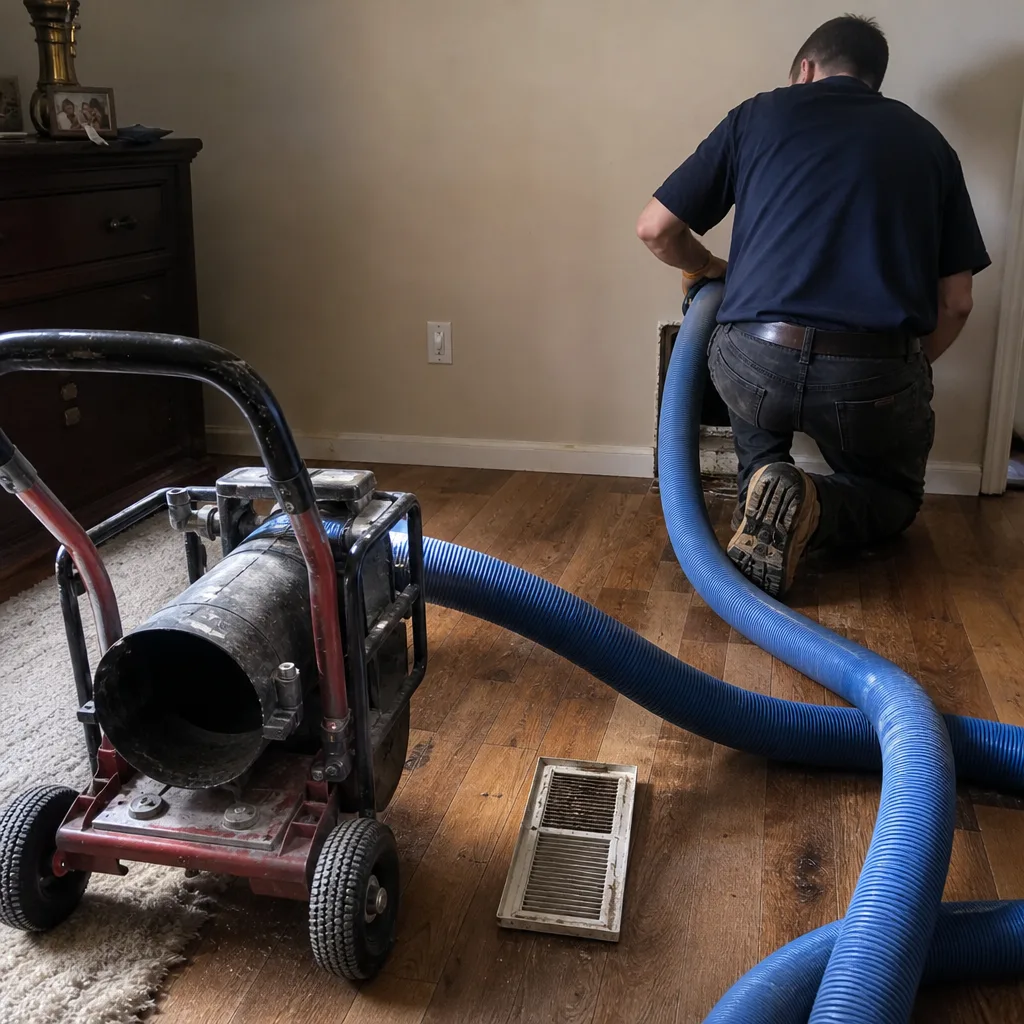
Here’s where the equipment piece deserves honest explanation. We run rotary brush and vacuum systems by Rotobrush and Nikro, along with Abatement Technologies air filtration and negative-air equipment on site. Each of those matters for a different reason.
Rotobrush rotary brush systems
The rotary brush is what agitates adhered debris off the duct wall. The brush spins, the vacuum pulls, and the two together are what make cleaning actually happen. Handheld brushes and manual scrubbing reach a fraction of the surface area.
Nikro vacuum and collection equipment
Collection is the second half of the process. If debris doesn’t reach the collection unit, it stays in the home. Nikro equipment runs the airflow needed to keep loosened material moving toward the unit rather than settling in the duct or the room.
Abatement Technologies air scrubbers
Cleaning a duct system kicks up particulate, even with good collection. On-site filtration and negative-air equipment protect indoor air quality during the job rather than recirculating the debris through the home. That’s a real difference between a professionally executed cleaning and a shop-vac afternoon.
Filtration system awareness
Whole-home filtration equipment from Honeywell and Aprilaire is often paired with duct systems we clean. Knowing how those systems integrate matters, because cleaning a duct and ignoring the filtration equipment is only half the job. Better air starts inside the system, not just at the filter.
For a fuller view of what duct cleaning Kent involves as a service, we walk through each stage and how repair fits in when the system needs more than cleaning.
Common Mistakes to Avoid
- Shoving a shop vac hose into a rigid trunk line. In an attic configuration, loosened debris can be pulled toward the plenum, redistributing the dust rather than removing it. If you can’t reach the far end with agitation, you can’t clean the run.
- Force-fitting a vacuum hose around flex duct corners. Flex duct tears. Once the inner liner tears, the run collects debris at the tear and airflow drops. The cleaning attempt becomes a replacement job.
- Assuming no odor means no problem. Kent’s rainy season makes crawlspace condensation easy to overlook. A wet flex run behind a register may show no obvious sign from the floor. Look under the crawlspace hatch periodically.
- Skipping the dryer vent tail. Pulling the short section behind the dryer apart and vacuuming it is a legitimate DIY task. Leaving it alone for years while thinking the full run is fine is not. The full run inside the wall needs professional tools.
- Trusting a low quote without asking about equipment. A shop vac in the living room is not a duct cleaning. Ask what equipment the technician brings and whether the process includes on-site air filtration.
- Cleaning ducts but ignoring the filtration system. If the home has a Honeywell or Aprilaire unit, it needs service attention too. Cleaning the ducts and leaving a clogged filter upstream is a short-lived win.
- Skipping the assessment when a room is chronically dusty or cold. That’s not a cleaning problem. That’s a symptom of a disconnected run or a leaking seam that needs air duct repair.
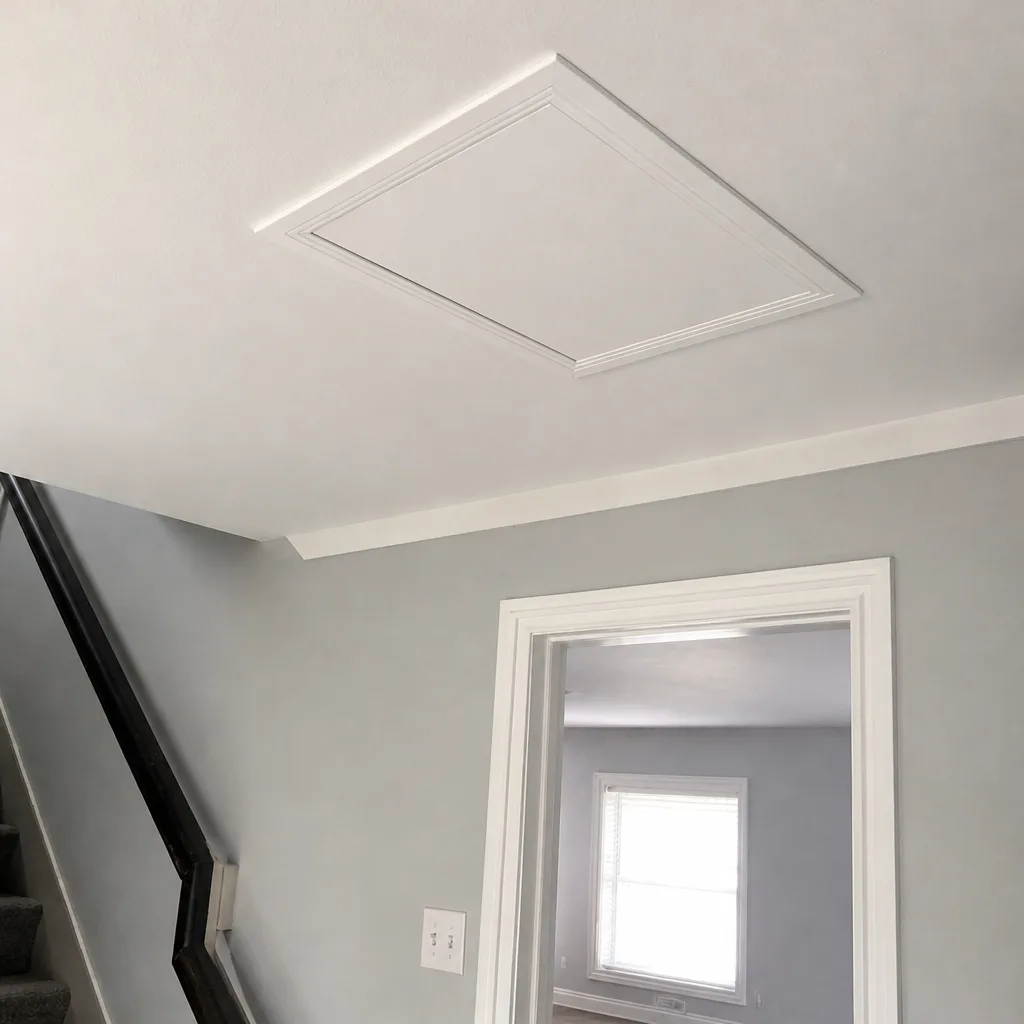
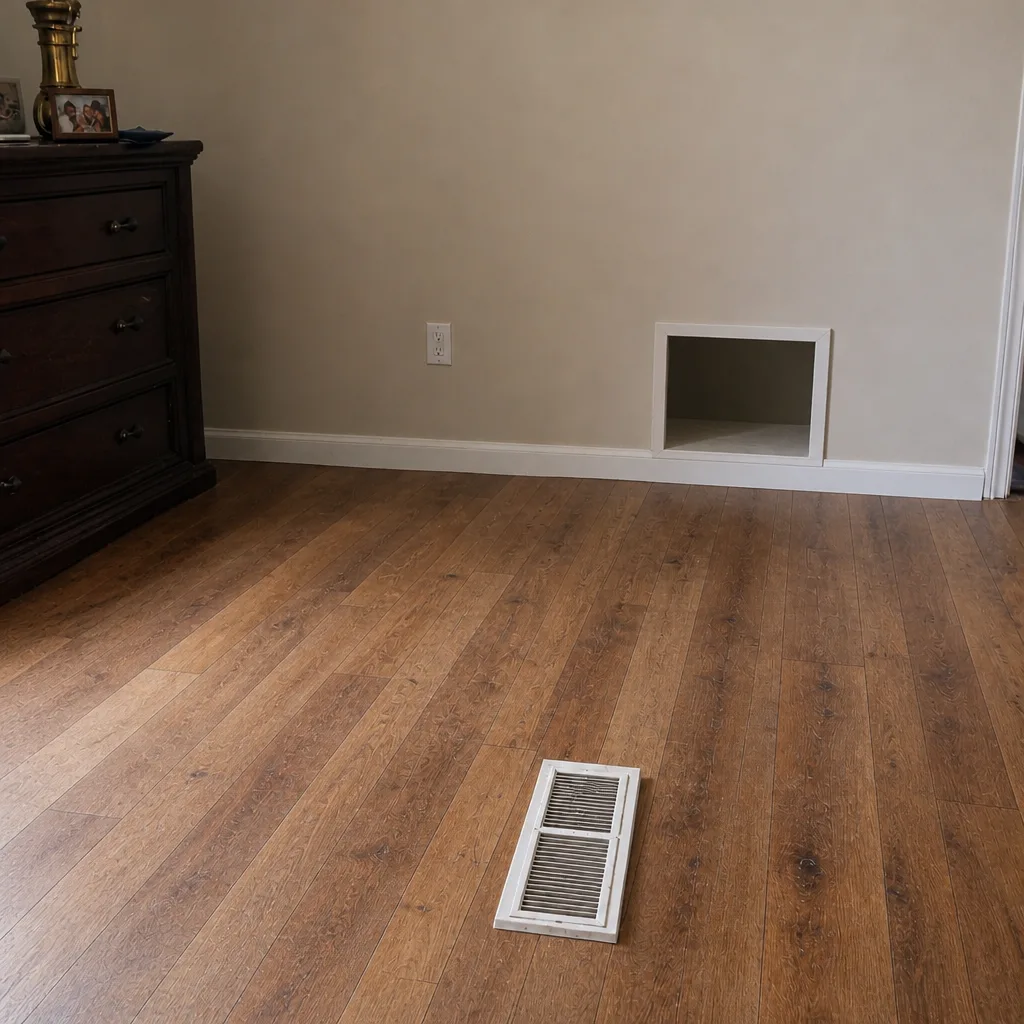
See the difference
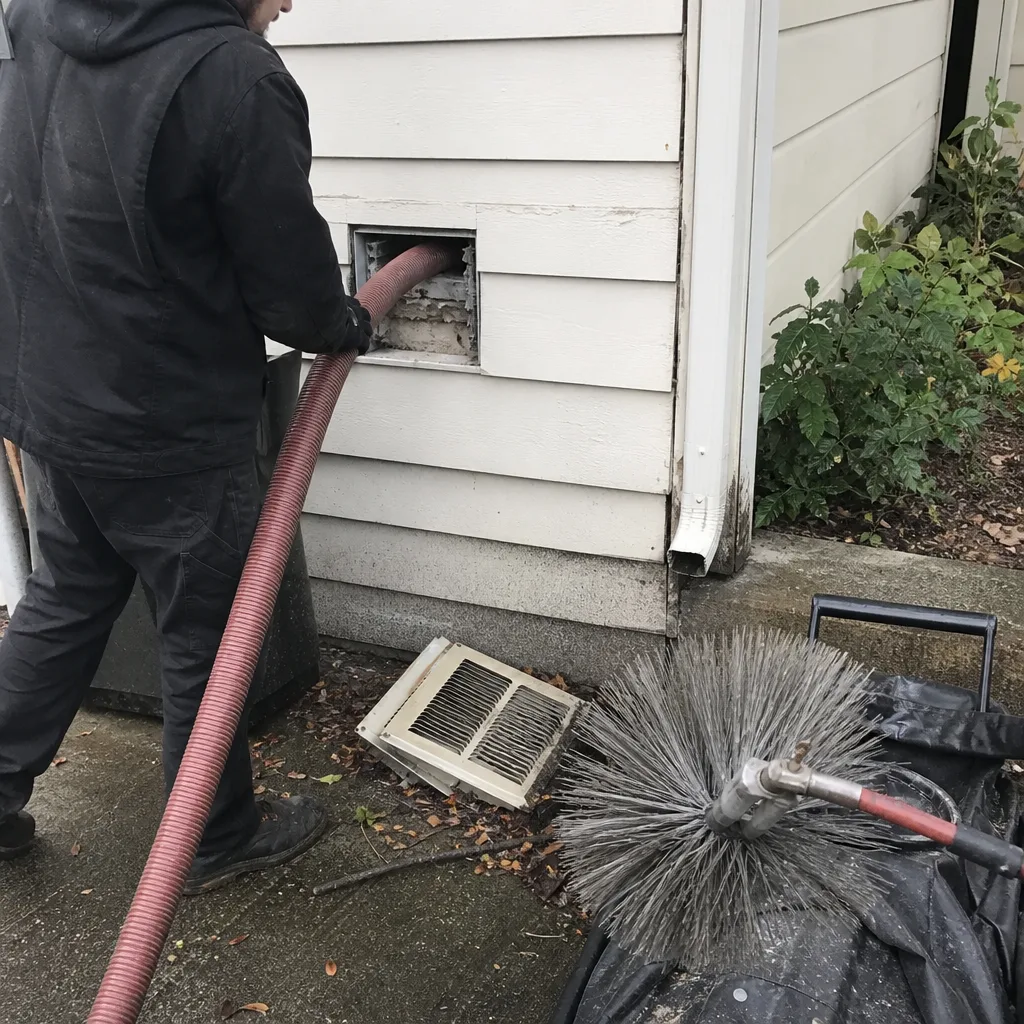 Before
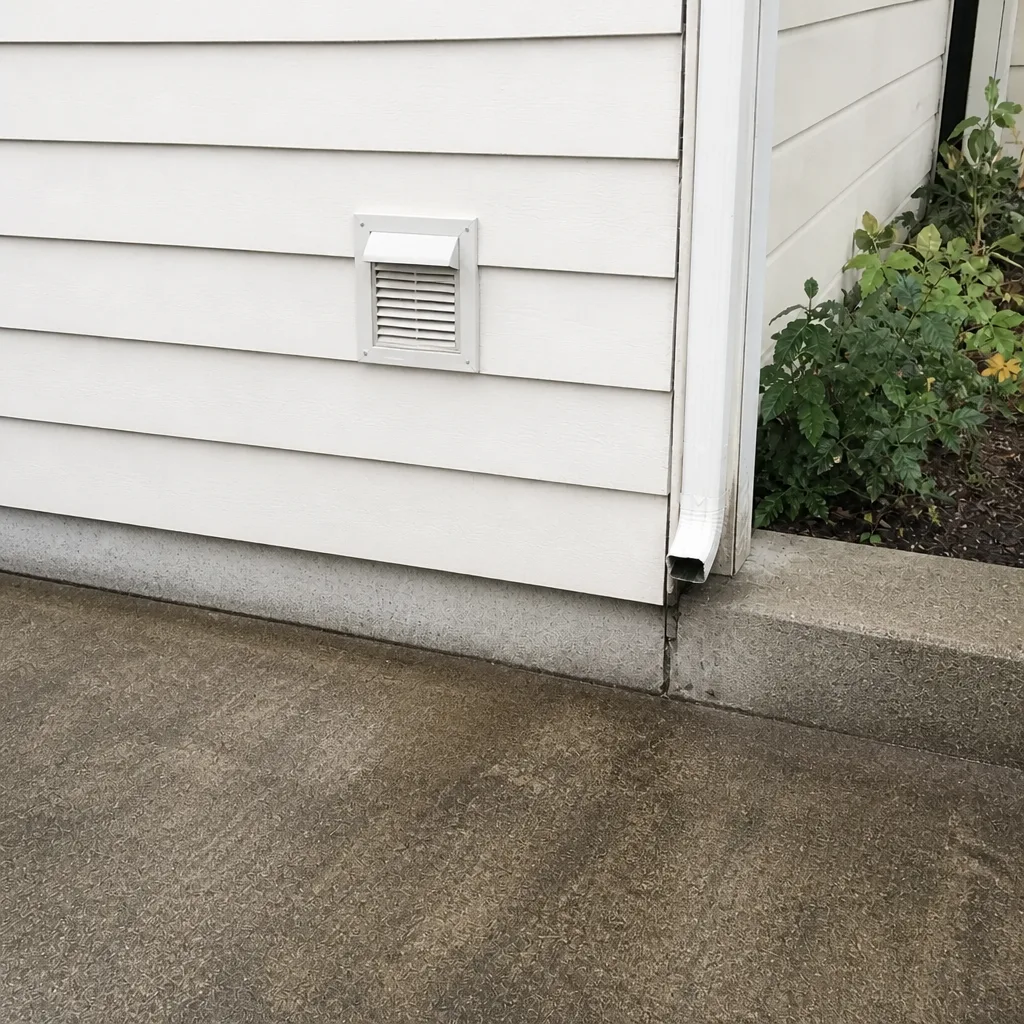 After
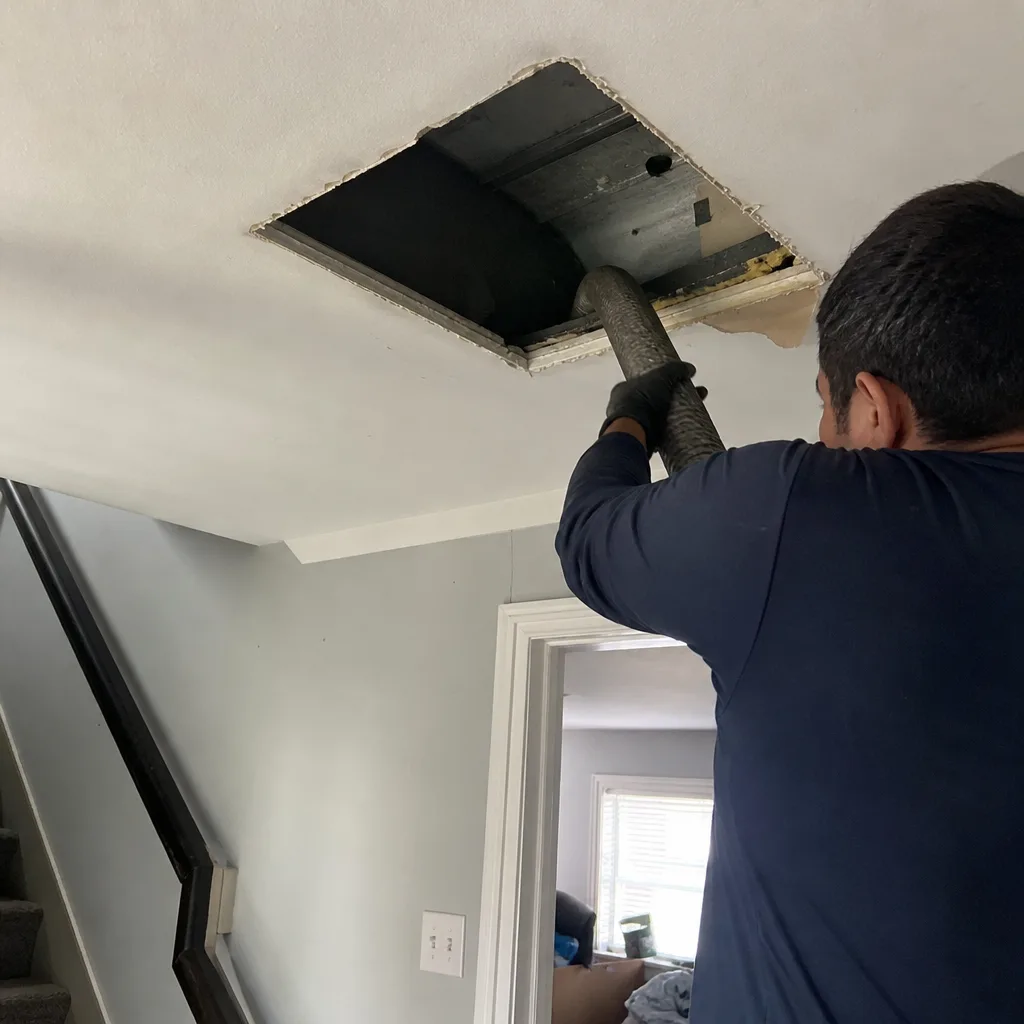 Before
 After
 Before
 After
When to Call a Professional
Call a professional when any of the following is true: the ductwork runs through the crawlspace or attic and you have not had it inspected in years; you’ve noticed musty odors, new dust accumulation, or a room that stays cold; the home has had recent renovation and drywall dust or construction debris could have entered the system; you’ve tried the accessible register cleaning and the result was short-lived; or you’re moving into a Kent home and don’t know the ductwork’s condition. Call a professional if the dryer vent is more than a short accessible tail, because a full run without cleaning is a fire risk that doesn’t announce itself.
Duct Cleaning Kent offers free estimates in Kent. Call (866) 761-6504. We answer 24/7. Fast dispatch from 7am to 7pm, Sunday through Friday. The estimate is set per job by the written price, agreed before any work starts, with before-and-after photos of your ducts so you know exactly what was done.
Frequently Asked Questions
Cost varies by duct system size, accessibility, and whether repair is needed. We quote per system on a written estimate, not per vent, and the estimate is free. Call (866) 761-6504. We answer 24/7. Fast dispatch from 7am to 7pm, Sunday through Friday.
You can clean register covers, grilles, and the short accessible stub behind them. You cannot meaningfully clean a full duct system, because the airflow required to keep loosened debris moving toward collection is roughly twenty times what a household vacuum produces. A shop vac at a register pulls a few feet of run. It doesn’t clean a trunk line.
They can be. Crawlspace flex duct and attic rigid trunk systems are both common in Kent housing stock, and combination layouts that share a plenum between the two show up regularly. That matters because crawlspace flex is easy to damage with a forced vacuum hose, and attic rigid trunk is where disconnected collars are most often found.
Typical guidance is every few years for most homes, sooner after renovation or if someone in the home has respiratory sensitivity. In Kent, crawlspace condensation and the rainy season make periodic inspection worth doing regardless of cleaning frequency. Call (866) 761-6504 for an exact quote; estimates are free.
Because they may not be quoting the same job. A low number is often a shop-vac visit or a per-vent price that turns into a larger invoice on site. Ask what equipment is used, whether on-site air filtration is included, and whether the quote is a flat price per system. Ours is a written estimate, agreed before work starts.
Ask for before-and-after photos of your own ducts. That’s what we provide. A technician who can’t show photographic evidence of your specific system should be a red flag. If you want a second look at a duct system you’re unsure about, call (866) 761-6504 for a free estimate.
The Bottom Line
The DIY question in duct cleaning comes down to hardware, not skill. Register cleaning, accessible register box vacuuming, visual flex duct inspection, and the short tail of a dryer vent are genuine homeowner tasks and worth doing. Full-system cleaning requires rotary agitation and high-volume collection at roughly twenty times consumer CFM, which is why the professional tools exist. Kent’s crawlspace and attic layouts make the case for professional inspection stronger rather than weaker, because damage from a forced DIY attempt is real. If your ductwork is intact and accessible, do the maintenance. If it’s compromised, hidden, or overdue, call someone who can actually run the process.
Ready for a free estimate? Call Duct Cleaning Kent at (866) 761-6504. We answer 24/7. Fast dispatch from 7am to 7pm, Sunday through Friday. Professional-grade equipment, not improvised tools, and a flat written price per system agreed before work starts.
Written by the team at Duct Cleaning Kent.