
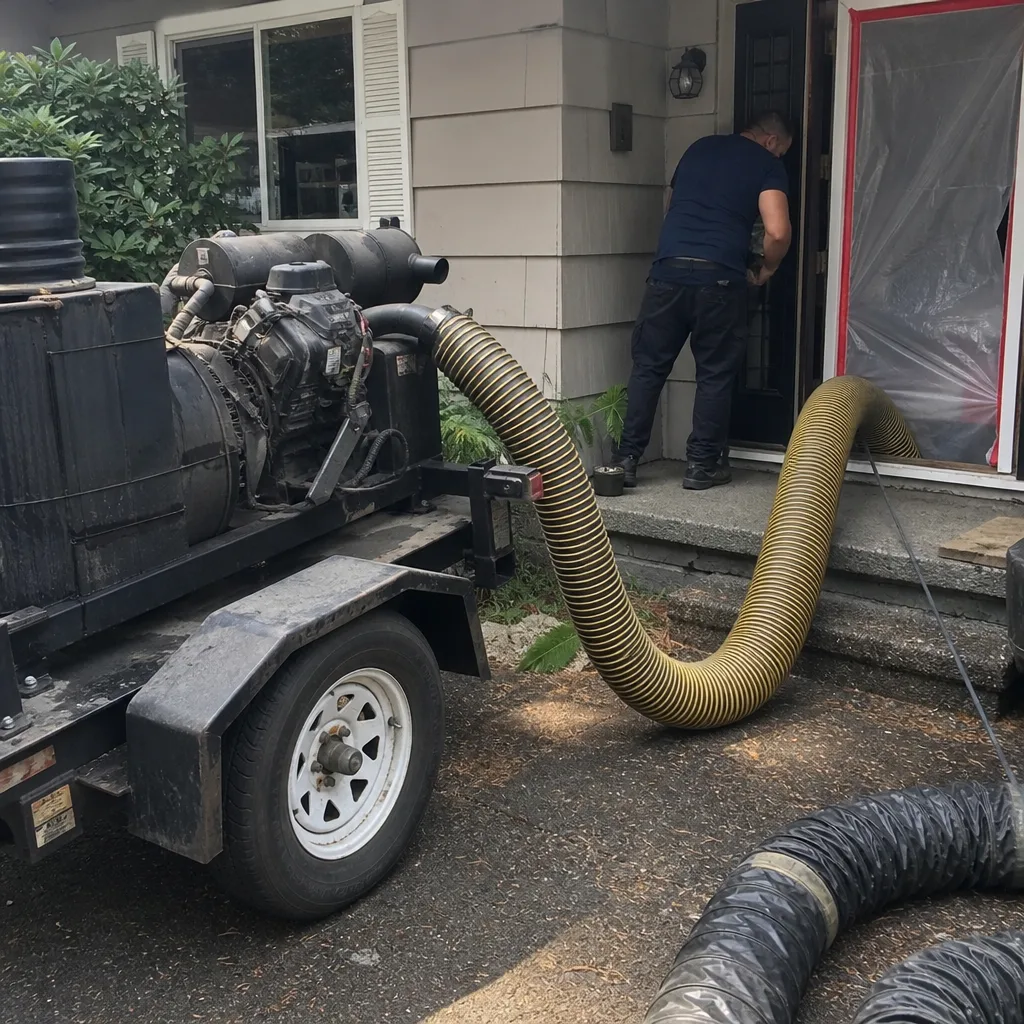
Last updated November 16, 2026
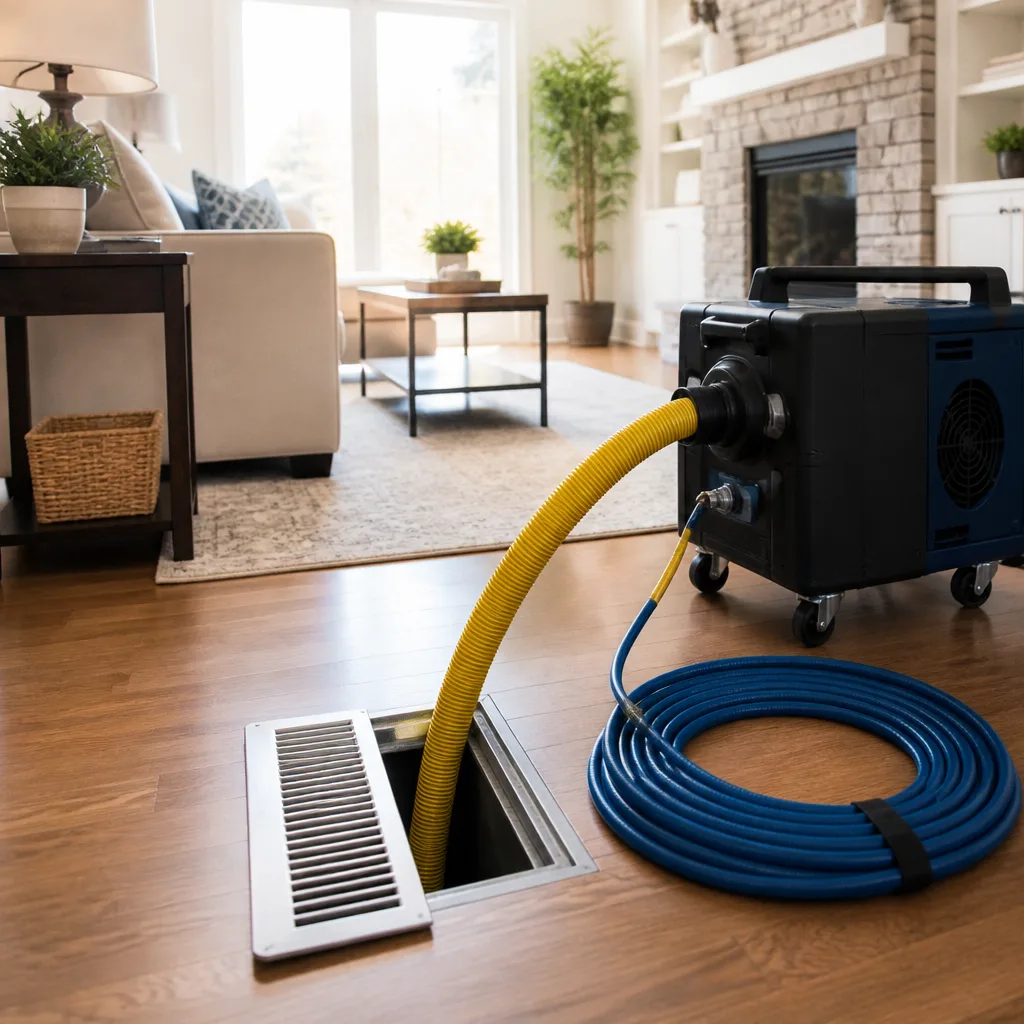 Whole-home duct cleaning
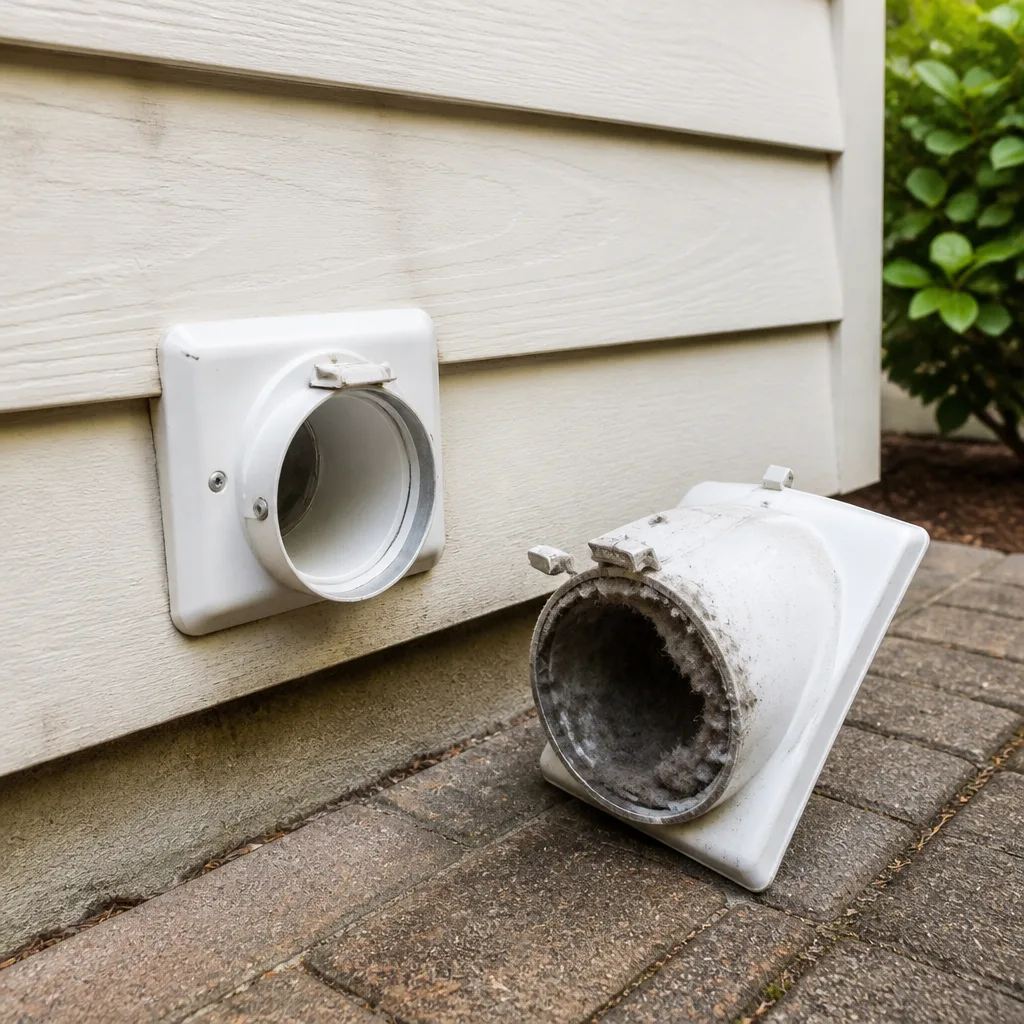 Dryer vent cleaning
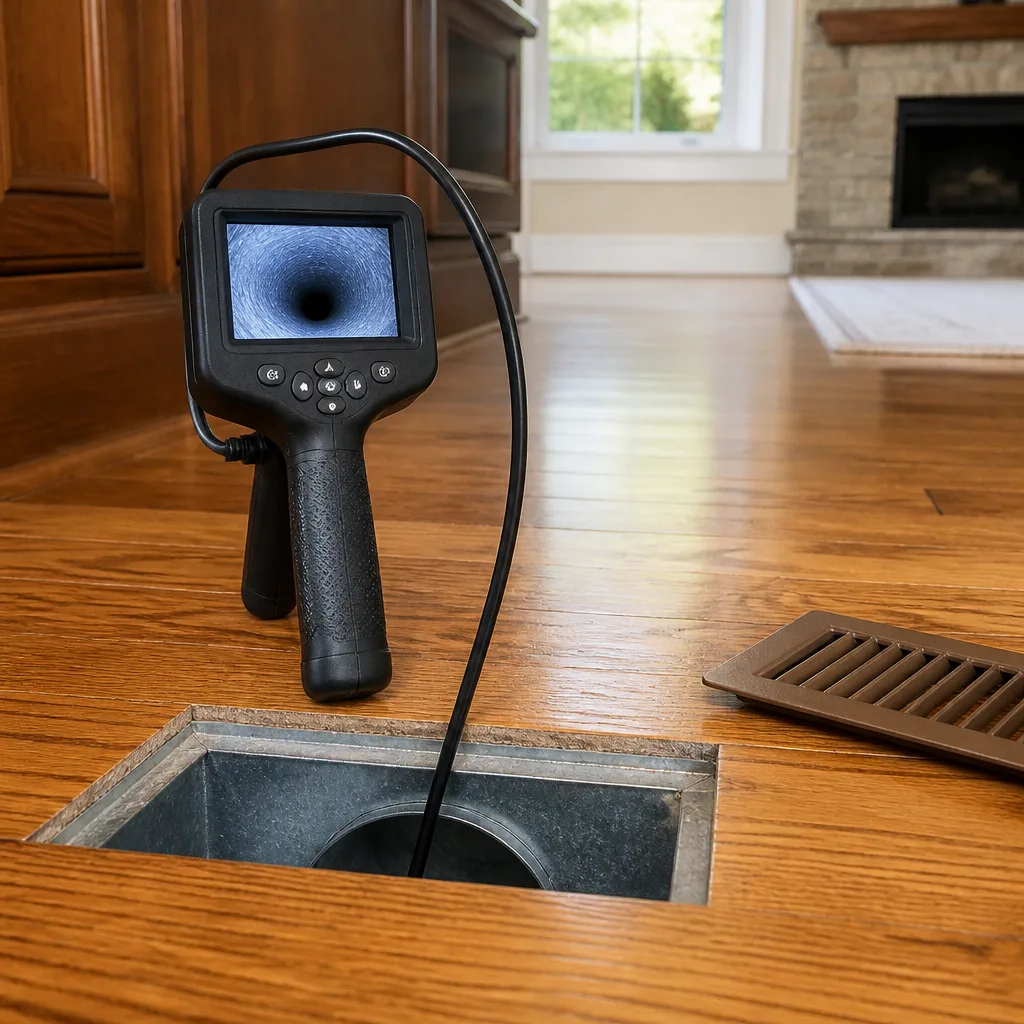 Camera inspection
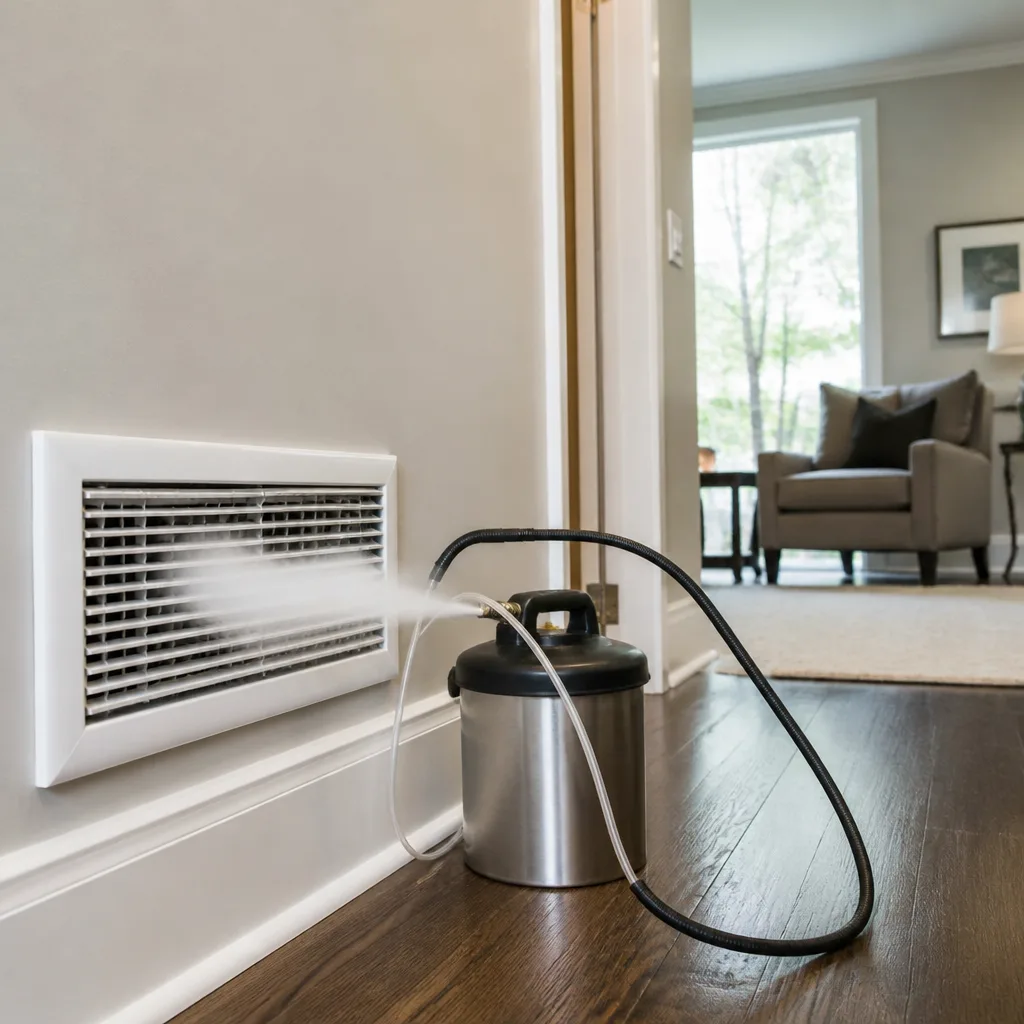 Sanitizing & deodorizing
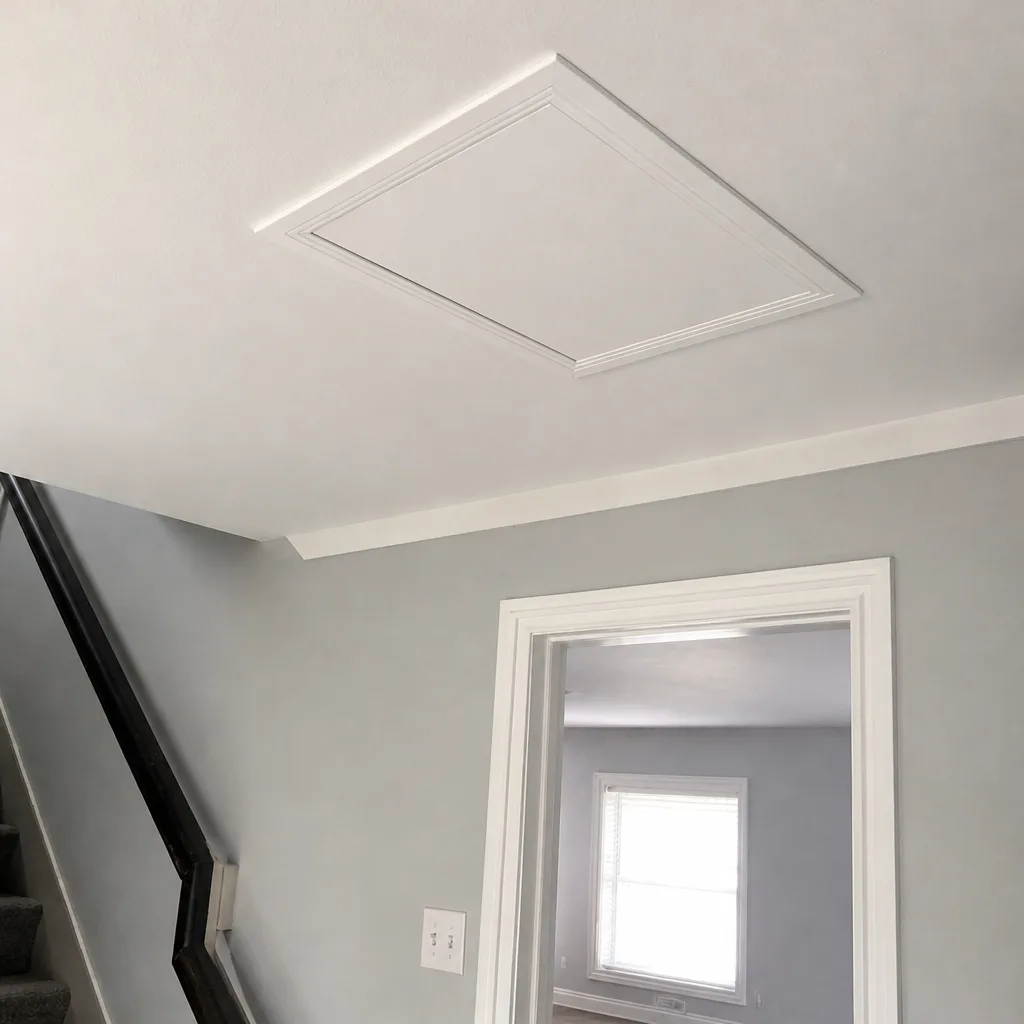
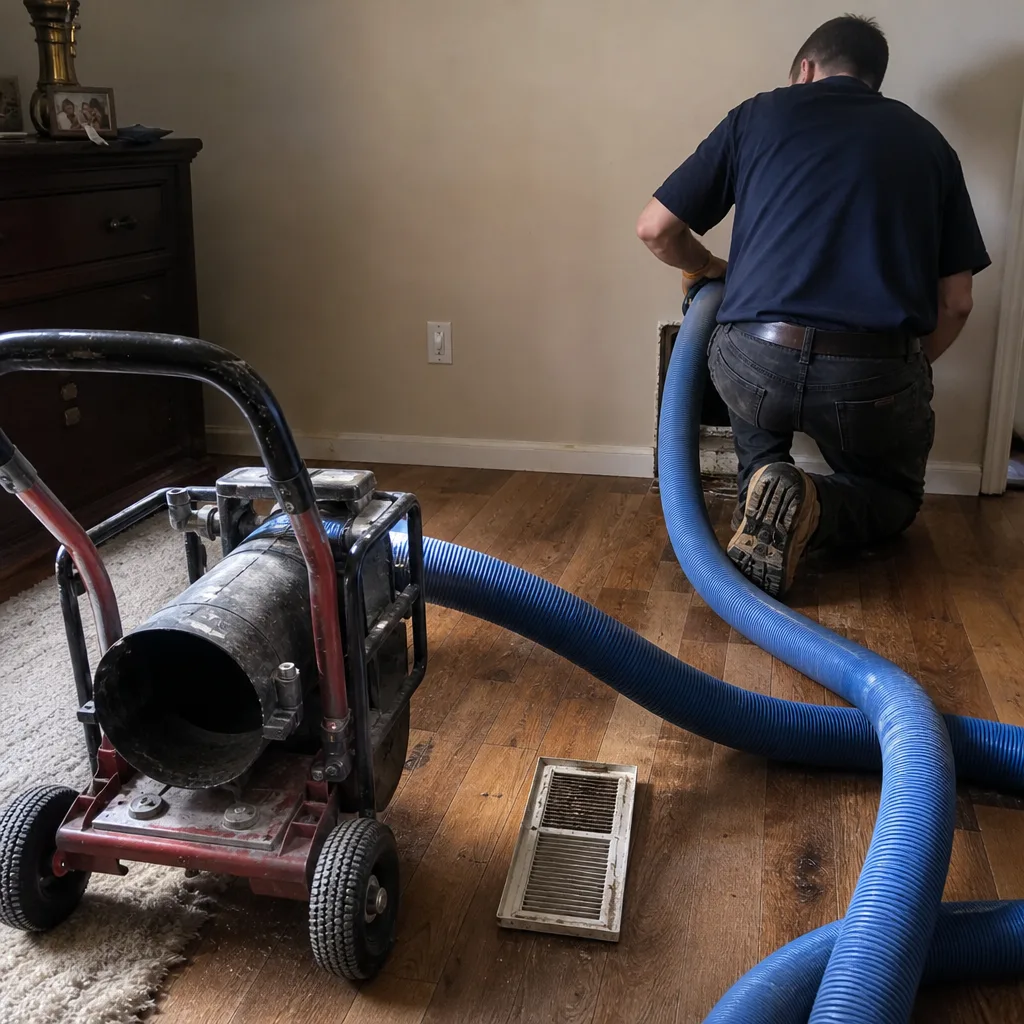
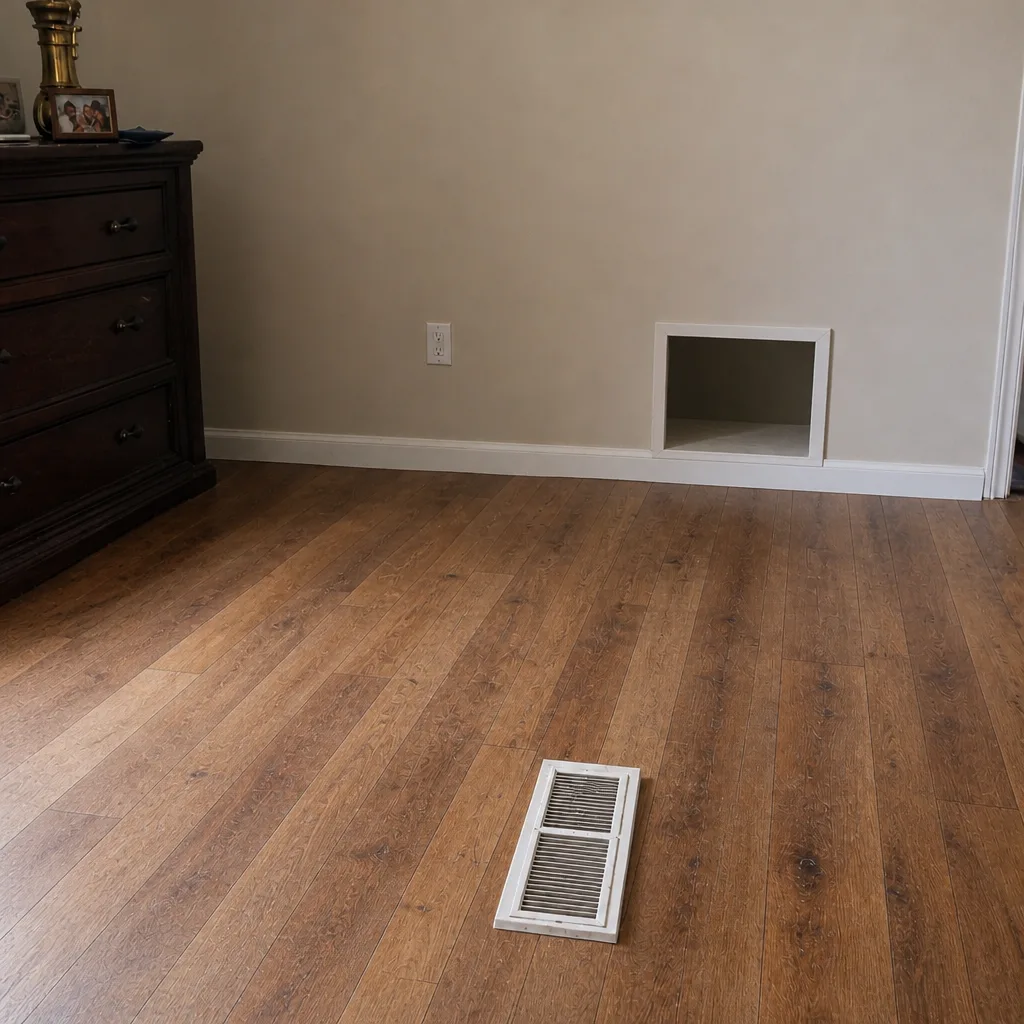
Whole-system duct and dryer vent check with before-and-after photos - you see exactly what came out of your vents
That "$99 whole-house special" is a bait ad - the real number appears once they are in your hallway, or the "clean" is a shop-vac at the register. We photograph the inside of your ducts before and after instead.
Air Duct Cleaning Cost Breakdown: The Kent Homeowner’s Reference for 2026
When you start calling around for duct cleaning in Kent, you’ll see numbers that don’t seem to belong to the same job. One company quotes a figure that sounds too good to be true. Another comes back with something five or more times higher. Both are for “air duct cleaning.” The gap isn’t profit margin or haggling room. It’s a completely different service being sold under the same name. What actually separates a $99 special from a $900 professional job is equipment, labor hours, and scope, and once you understand how those three pieces fit together, you can read a quote for what it really is instead of just comparing the bottom line.
Quick Answer
Air duct cleaning in Kent typically runs from about $300 to $900 for a full-system residential job, depending on the number of vents, the length of the duct run, how accessible the system is, and whether any repair is needed. The $99 specials you’ll see advertised are usually per-vent pricing that adds up fast or a surface-level vacuum that never reaches the branch lines. A legitimate whole-system cleaning with professional rotary equipment, real collection, and on-site air filtration sits at the upper half of that range, and the written estimate you receive before work starts sets the final price.
Styles & brands we work with
- Whole-home duct cleaning
- Dryer vent cleaning
- Camera inspection
- Sanitizing & deodorizing
Table of Contents
- Per-Vent Pricing vs. Whole-System Pricing
- What a Legitimate Cleaning Actually Costs to Perform
- Why the Cheapest Quote Usually Costs More
- Add-Ons Decoded: Sanitizers, Antimicrobials, and Filters
- How Kent’s Housing Stock Affects Legitimate Pricing
- How to Read an Itemized Quote and Verify Scope
- Duct Repair Costs: When Cleaning Isn’t Enough
- Dryer Vent Cleaning Costs and Why They Matter
Per-Vent Pricing vs. Whole-System Pricing
Per-vent pricing and whole-system pricing aren’t two ways to express the same number. They’re two different business models that reward contractors for doing opposite things.
Under per-vent pricing, the base rate is deliberately set low, then each vent is counted as a line item. The contractor makes money on volume of vents, not on the quality of cleaning. This structure quietly penalizes thoroughness. The faster each vent goes by, the more vents an operator can bill in a day, which means there’s less incentive to spend time in each branch line. You’ll often see a low headline number grow by the time the tech finishes counting every register and return in the house, especially in a larger Kent rancher with a sprawling single-level run.
Whole-system pricing flips that incentive. The quote covers the system as a unit, and the contractor’s margin depends on running the job efficiently without cutting corners. Since the number doesn’t change based on minutes spent, there’s no reason to rush. If the job takes an extra hour because a branch line is packed with construction debris, that’s the contractor’s cost to carry, not a reason to shorten the work.
Which model produces better cleaning outcomes? Almost always whole-system, because the only way it stays profitable is doing the job right the first time. Here’s what that means in practice:
- Per-vent: base rate is a teaser; total cost is unknown until every register is counted; time pressure works against thoroughness.
- Whole-system: one number covers the entire system; scope is agreed before work begins; time spent is not billed against thoroughness.
When we quote a job in Kent, we quote the whole system. One flat price per system, agreed before work starts, is the only structure that keeps the incentive pointing at your ducts instead of at the clock. If you’re weighing an estimate based on per-vent pricing against one built around the whole system, that difference in structure is worth more than the difference in the number.
What a Legitimate Cleaning Actually Costs to Perform
There’s a floor under any honest duct cleaning price, and it’s set by the cost of the equipment, the time on site, and the discipline that go into a real job. Understanding that floor is what lets you tell a legitimately priced quote from one that’s priced to win the phone call.
A thorough cleaning isn’t a shop-vac and a scrub brush. It’s a rotary brush system, big high-efficiency collection equipment, and on-site air filtration running together for the length of the job. Duct Cleaning Kent uses Rotobrush rotary-brush systems, the same rotary equipment class used by certified restoration contractors, and Nikro vacuum and collection equipment for debris extraction. We also run Abatement Technologies air scrubbers and negative-air equipment on site so particulate is controlled while the work happens instead of settling back into the house. None of that gear is cheap to buy, maintain, or haul. The equipment cost alone is a real line item in every professional quote, whether the contractor shows it to you or not.
Then there’s labor. A proper whole-system cleaning on a typical Kent home is not a one-hour visit done by one person on the way to the next job. Here’s roughly how a legitimate job breaks down in steps:
- System inspection before any tools go in, including checking for disconnected runs, rusted components, and debris types.
- Set up negative pressure and dust control so the home stays clean while the work happens.
- Rotary brush each branch line from the main trunk out to each register.
- Vacuum the main trunk line and plenum, then clean each register and return.
- Re-inspect and photograph before and after.
That sequence takes time. Cutting it short is exactly where a low quote hides its savings. If you want a plain-language walkthrough of what that process looks like inside a home, the air duct cleaning page covers it start to finish. The floor price for a thorough job is real, and it’s set by what the work actually costs to perform.
Why the Cheapest Quote Usually Costs More
The $99 door opener is the single most predictable source of duct cleaning complaints. It’s not that the number is fake; it’s that it buys a different service than the one you thought you were paying for. When you see a teaser price on a flyer or a web form, here’s usually what’s behind it.
- Per-vent math: the “starting at” price assumes one vent and multiplies from there, so the final total can end up well above a whole-system quote from a contractor who priced the job honestly.
- Surface-level cleaning: a shop vac pass over the registers and a quick pull on the nearest branch line is not a system cleaning. Most of the debris sits in the trunk and branch lengths you can’t see.
- Upsell pressure on site: a low base is often paired with a pitch for sanitizer, filters, or “mold treatment” before the technician has run the equipment five minutes.
- No dust control: without collection equipment and on-site air filtration, particulate ends up in the air you just paid to clean.
None of those outcomes are visible when you’re comparing quotes by number. They only show up on cleaning day. In our experience, homeowners in Kent who take the lowest bid often call back a few months later because dust is still landing on the same surfaces, which means paying for the job twice. When in doubt, ask a cheap quote one direct question: how does the price change if there are twenty vents instead of ten? The answer tells you which pricing model you’re looking at.
Add-Ons Decoded: Sanitizers, Antimicrobials, and Filters
Add-ons are where the honest part of the job gets muddied for a homeowner, so it’s worth separating the useful ones from the upsell ones. A sanitizer or antimicrobial spray applied to duct interiors is worth the cost in a narrow set of circumstances and largely cosmetic in others.
Here’s where a sanitizer actually earns its place:
- After a confirmed moisture event, leak, or a period of high humidity that produced visible growth inside a duct run.
- After a renovation where drywall dust, sawdust, or construction debris entered the system and was cleaned out.
- After a pest issue inside the ducts where the cleaning removed the source and the treatment is used to address residual organic material.
And here’s where it’s mostly upsell:
- A home with no moisture history, no organic growth, and no recent renovation that simply gets offered a spray because it was on a price sheet.
- A stack of “antimicrobial coatings” applied before the ducts have actually been cleaned, which does nothing for what’s underneath.
- Filter upgrades pushed before the existing filter housing and duct system have been properly cleaned.
Filter and whole-home filtration work sits in a different category entirely. Duct Cleaning Kent works with Honeywell and Aprilaire whole-home filtration and air quality equipment, which means we can talk through whether a filter upgrade makes sense for your system and your household, not just sell you a spray. Better air starts inside the system, not just at the filter, which is why the cleaning has to happen before any filtration add-on gets pitched. If a contractor leads with sanitizer before talking about the cleaning, that’s your signal that the spray is the product.
How Kent’s Housing Stock Affects Legitimate Pricing
Kent isn’t one housing market. The city is a patchwork of mid-century single-story homes, larger ranchers on generous lots, split-levels, and newer construction, and each of those shapes the cost of a legitimate cleaning in a different way.
Single-story ranchers and ramblers are common across much of Kent, and those long, low duct runs are often easier to reach with rotary equipment because the system runs in a crawlspace or attic with access along the run. That’s good news for accessibility. It’s not always good news for the cleaning itself, because a long horizontal run with many branch takeoffs means more cleaning time, and a system with disconnected joints or crushed flex duct often needs repair work before cleaning can be done properly. Crawlspace duct system access can also mean the technician needs more setup time than a basement or slab home would require, and that time is in the estimate.
Older Kent construction brings its own set of cost drivers:
- Original sheet metal ductwork: durable, cleanable, and often worth fixing rather than replacing, but sealant and joint failures at old seams are common and show up on inspection.
- Post-renovation debris: homes that have had remodels are notoriously full of drywall dust, sawdust, and construction grit in the branch lines, which adds cleaning time.
- Additions and retrofits: a duct system that grew when a room was added often has awkward takeoffs, mixed duct materials, or runs that don’t match the rest of the system.
Newer Kent homes tend to have tighter, more accessible systems with fewer surprises, so cleaning time is often shorter, though the branch count can be high on a larger floor plan. The climate matters less than you’d think for duct cleaning pricing in Kent. What matters more is water exposure, dust management during renovation, and whether the system was designed for the house it’s in. If you’re new to the area and want an overview of how the neighborhoods break down, the Kent page covers the basics. Every honest quote for a Kent home starts with what’s actually in the ducts and how hard it is to reach.
How to Read an Itemized Quote and Verify Scope
An itemized quote is your best tool for spotting a mismatch between what a contractor promised on the phone and what they plan to actually do. If the quote is one line with one number and no scope, ask for a breakdown. Here’s what a legitimate itemized quote should include.
- System description: number of registers, returns, and branch runs the quote covers, so you can verify the count at the end of the job.
- Cleaning methodology: which rotary brush or vacuum system the contractor plans to use, and how the main trunk line will be cleaned.
- Dust control: mention of on-site collection equipment, negative pressure, or air filtration, because that’s what keeps the house clean while the work happens.
- Before-and-after photos: stated as part of the deliverable, so you can see the actual condition of your own ducts, not stock images.
- Any repair line items called out separately: if the contractor expects to fix a disconnected or damaged run, that should be priced as a separate line, not folded silently into the cleaning number.
- A stated price per system, not per vent, or a clearly stated per-vent rate with a documented vent count from an on-site inspection.
What’s missing from a quote is often as telling as what’s on it. A quote with no mention of the equipment, no register count, no dust control, and no photos is either a quick shop-vac pass or a quote built to change price on the day. Ask the contractor to itemize in writing before you commit. If they won’t, you’ve learned something more useful than a number. Duct Cleaning Kent works from one flat price per system, agreed before work starts, with photographs of your own ducts included.
Duct Repair Costs: When Cleaning Isn’t Enough
Cleaning and repair are different services, and it’s a mistake to assume a low cleaning quote covers a system that’s structurally compromised. Duct runs get disconnected at joints, crushed by foot traffic in the attic, torn at flex transitions, or separated from the plenum at the trunk. When that’s the case, cleaning alone will not solve the problem because air is leaking out before it reaches the room.
What repair work looks like, generally:
- Reconnecting joints: re-securing disconnected runs at the plenum or at branch takeoffs so air actually reaches each register.
- Sealing leaks: mastic and proper sealant at seams and takeoffs where the original install has failed.
- Replacing damaged flex sections: crushed or torn flex duct swapped for rigid or properly supported material so airflow improves.
- Restoring support and routing: runs that sag, pinch, or make tight turns that choke airflow.
Repair pricing is quoted separately from cleaning and depends on how many runs need attention and how accessible they are. A home in Kent with an original crawlspace system might need two or three reconnect-and-seal repairs that add to the total; a newer home with clean, well-supported runs might need nothing. This is exactly why we clean it and also fix it if it’s broken. Cleaning a compromised system without repairing it leaves you paying for the appearance of duct maintenance without the airflow result. When a quote includes a repair line, ask the contractor to show you what they found, and ask for photos. We can’t quote repair over the phone with any accuracy, and no honest contractor can either. The written estimate sets the final price after an inspection.
Dryer Vent Cleaning Costs and Why They Matter
Dryer vent cleaning is the service most likely to get skipped at renewal and the one most worth budgeting for. Lint accumulates inside a dryer vent run faster than people expect, and a clogged vent is a documented leading cause of residential structure fires. Treating a clogged dryer vent as a nuisance task is a mistake. It’s a fire risk, and pricing for the service sits well below the duct cleaning range because the run is shorter and the scope is simpler.
What a dryer vent cleaning visit includes in a typical Kent home:
- Full-length brushing of the vent run from the dryer connection to the exterior termination.
- Vacuum collection at the termination point so lint is pulled out, not just blown around.
- A check on the exterior vent hood for stuck flaps, bird nesting, or lint build-up that blocks airflow.
- A check on the transition duct behind the dryer for crushed or torn flex, which is a common restriction point.
How often it really needs doing depends on household size, laundry habits, and the length of the run. A household washing several loads a week will build up lint faster than one washing two. Long runs with multiple 90-degree elbows build up faster than short, straight runs. As a general guide, a dryer vent cleaning every year or two is reasonable for most Kent homes, and more often for large households. If the dryer is taking longer to dry a load than it used to, or the outside flap barely opens, those are signals to get it checked regardless of the calendar. Dryer vent cleaning sits under the same roof as duct cleaning at Duct Cleaning Kent, so you can have both handled on the same visit rather than scheduling two contractors. The dryer vent cleaning page details the full process.
Common Mistakes to Avoid
- Comparing bottom-line numbers without comparing scope. A $99 quote and a $600 quote aren’t the same service. Ask each contractor what they’ll actually do, what equipment they’ll use, and whether photos are included before you compare totals.
- Taking a per-vent quote on a large Kent rancher without a vent count. Long single-story runs can have many registers and returns, and a per-vent quote can climb quickly once each one is counted. Get the count in writing.
- Assuming a cheap cleaning covers repair. If your system has a crushed flex run or a disconnected joint in the crawlspace or attic, the leak has to be fixed first. Cleaning a broken system leaves the problem in place.
- Buying sanitizer when the actual problem is debris. Antimicrobial spray doesn’t clean. If the ducts are dirty, the cleaning has to come first, and the spray may not be needed at all.
- Skipping the dryer vent because it “seems fine.” Clogged dryer vents are a documented leading cause of residential structure fires. It’s worth checking on a schedule instead of waiting for a symptom.
- Not asking for before-and-after photos. The photos are your evidence that the work happened where you can’t see it. Any professional-grade job should include them without being asked.
- Choosing a contractor based on a flyer coupon alone. A coupon tells you what the first visit costs. It doesn’t tell you what the job costs. Get a written estimate instead.
See the difference
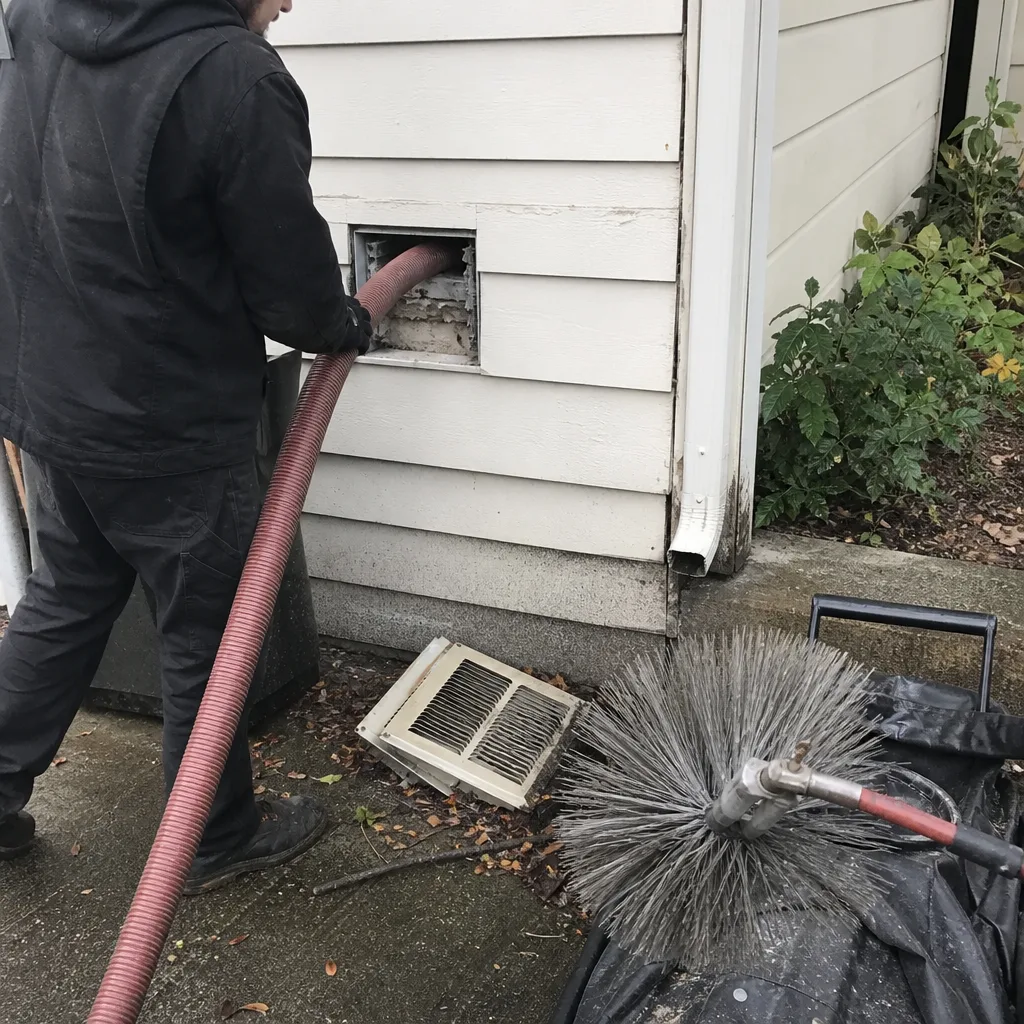 Before
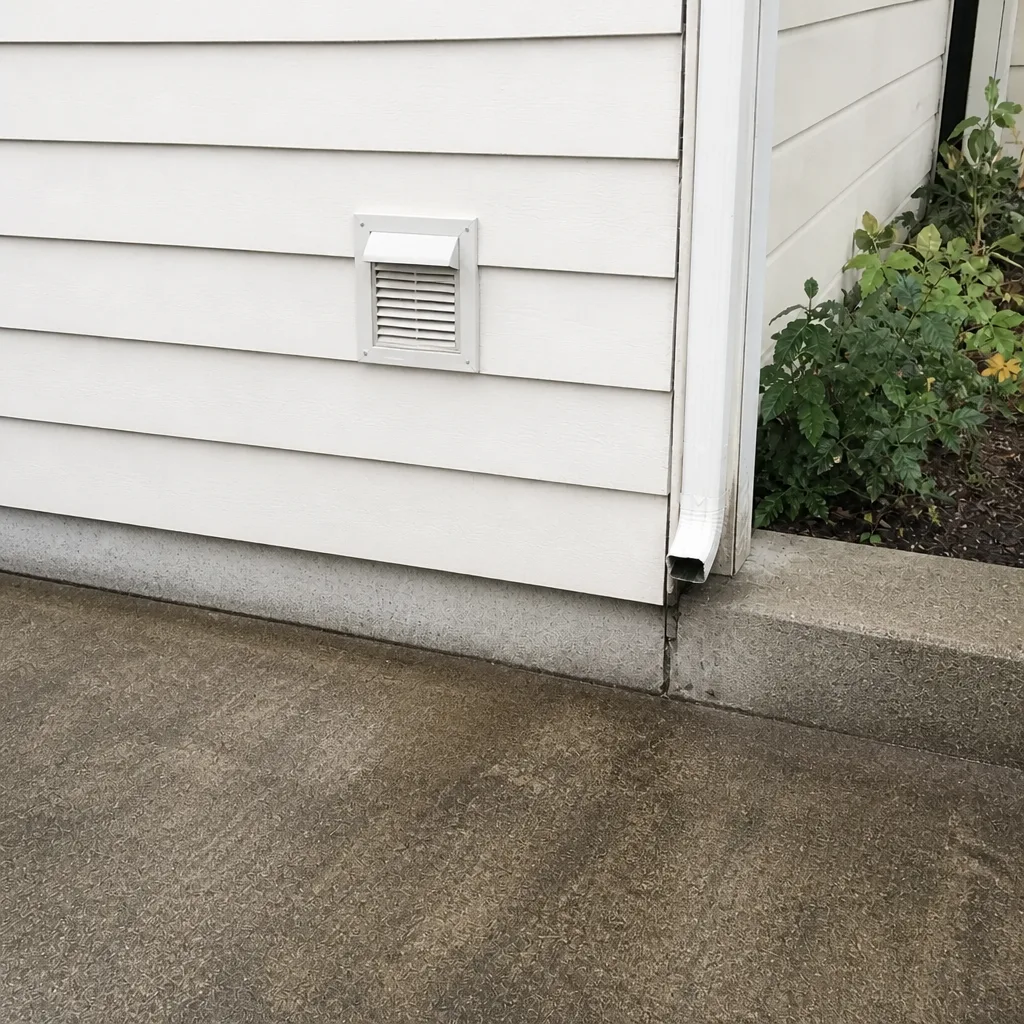 After
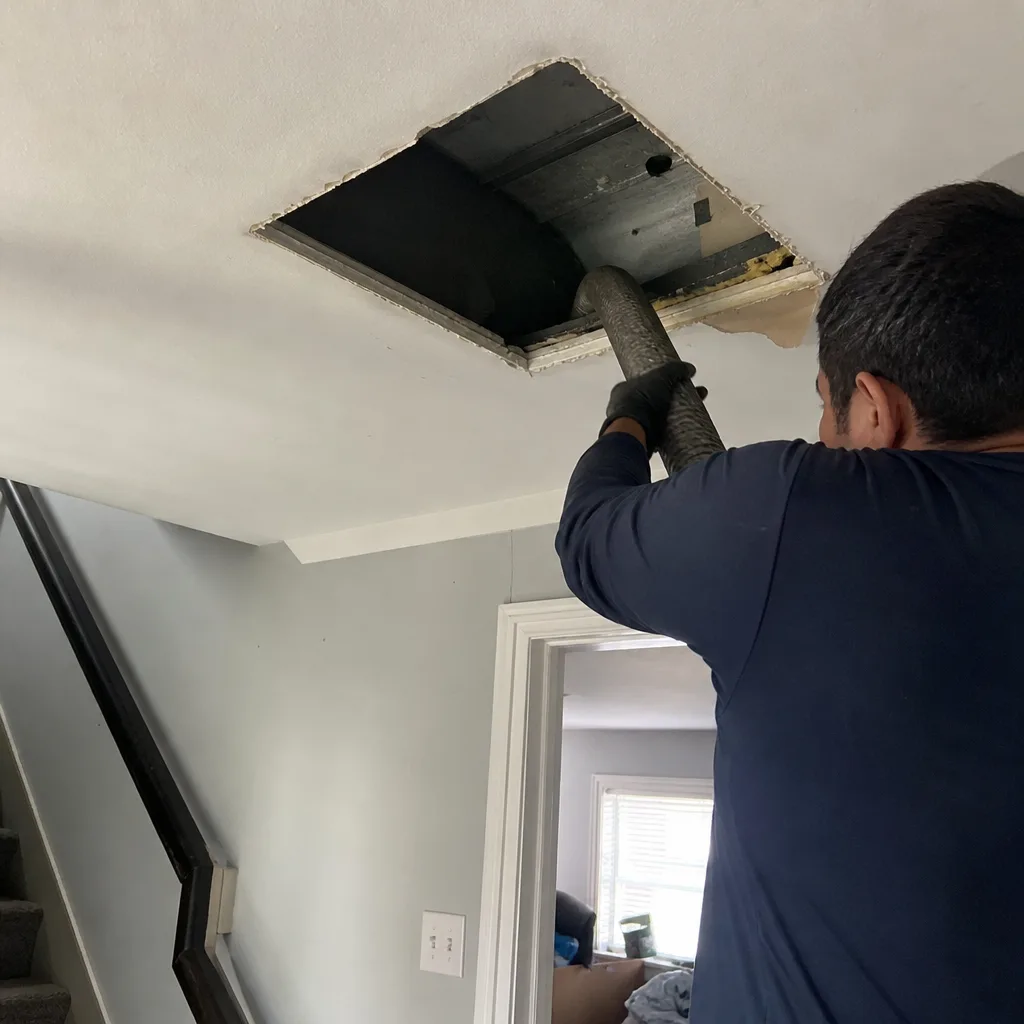 Before
 After
 Before
 After
When to Call a Professional
Some situations call for a professional visit rather than another pass with a shop vac. If you’ve recently finished a renovation and drywall dust or sawdust got into the system, that’s a job for professional collection and air filtration, not a home vacuum. If you’re seeing dust settling on surfaces faster than usual, or a musty odor when the system runs, the source is usually somewhere you can’t see. If anyone in the household is dealing with chronic allergies or asthma, professional cleaning with real rotary equipment and on-site air scrubbers is the right starting point. If your dryer is taking longer than it used to, or the exterior vent flap barely opens, get the vent checked. Duct Cleaning Kent offers free estimates in Kent. Call (866) 761-6504. We answer 24/7, with fast dispatch from 7am to 7pm, Sunday through Friday.
Frequently Asked Questions
For a full-system residential job in Kent, typical pricing runs from about $300 to $900, depending on vent count, run length, accessibility, and whether any repair is needed. That range reflects a whole-system cleaning with professional rotary brush equipment, high-efficiency collection, and on-site air filtration. The written estimate you receive before work starts sets the final price. Call (866) 761-6504 for an exact quote; estimates are free.
Cheap quotes usually mean a different service, not a better deal. Common causes are per-vent pricing that multiplies once your registers are counted, surface-level shop-vac work that misses the trunk and branch lines, or a low teaser price followed by on-site upsells. None of those are visible when you compare numbers, which is why scope matters more than price. Call (866) 761-6504 for an honest estimate and a written scope before you commit.
Ask for before-and-after photos of your own ducts, not stock images. A legitimate cleaning also produces visible evidence on the day: collection equipment running on site, dust control in place, and a register-by-register walk-through at the end. If a contractor can’t or won’t provide those, that’s your answer. To book a job with photos included, call (866) 761-6504.
Most Kent homes are fine with a professional cleaning every few years, not annually, unless something specific triggers a sooner visit. Triggers include a recent renovation, a confirmed moisture event, pest activity in the system, moving into a home where the prior owner’s maintenance history is unknown, or a noticeable rise in dust or musty odor. Persistent allergies are another reason to check sooner. If any of those apply, call (866) 761-6504 for a free estimate.
Yes, and that’s normal. Repair is a separate scope from cleaning, priced by the number and accessibility of damaged runs, and it should appear as its own line item on your estimate. Cleaning alone won’t solve a disconnected or crushed run. Call (866) 761-6504 to have a technician evaluate the system and quote both in writing.
Yes. Dryer vent lint is a documented leading cause of residential structure fires, and the service is priced well below duct cleaning because the scope is simpler. It addresses both fire risk and dryer efficiency, and it can be bundled into the same visit as duct cleaning. Call (866) 761-6504 for an estimate on both.
The Bottom Line
The range between a $99 special and a $900 professional job in Kent isn’t a markup. It’s a different set of equipment, a different amount of labor, and often a different scope altogether. Whole-system pricing with real rotary equipment, high-efficiency collection, and on-site air filtration is what produces a clean system. Per-vent pricing and shop-vac work produce a receipt. When you’re evaluating a quote, ask for an itemized scope, ask how the price changes with vent count, ask whether repair is included, and ask for before-and-after photos of your own ducts. Those four questions will sort a real cleaning from a teaser price faster than any number. Duct Cleaning Kent offers free estimates, one flat price per system agreed before work starts, and photo documentation of the job. We clean it and we fix it if it’s broken. Call (866) 761-6504. We answer 24/7, with fast dispatch from 7am to 7pm, Sunday through Friday.
Written by the team at Duct Cleaning Kent.