
Last updated November 16, 2026
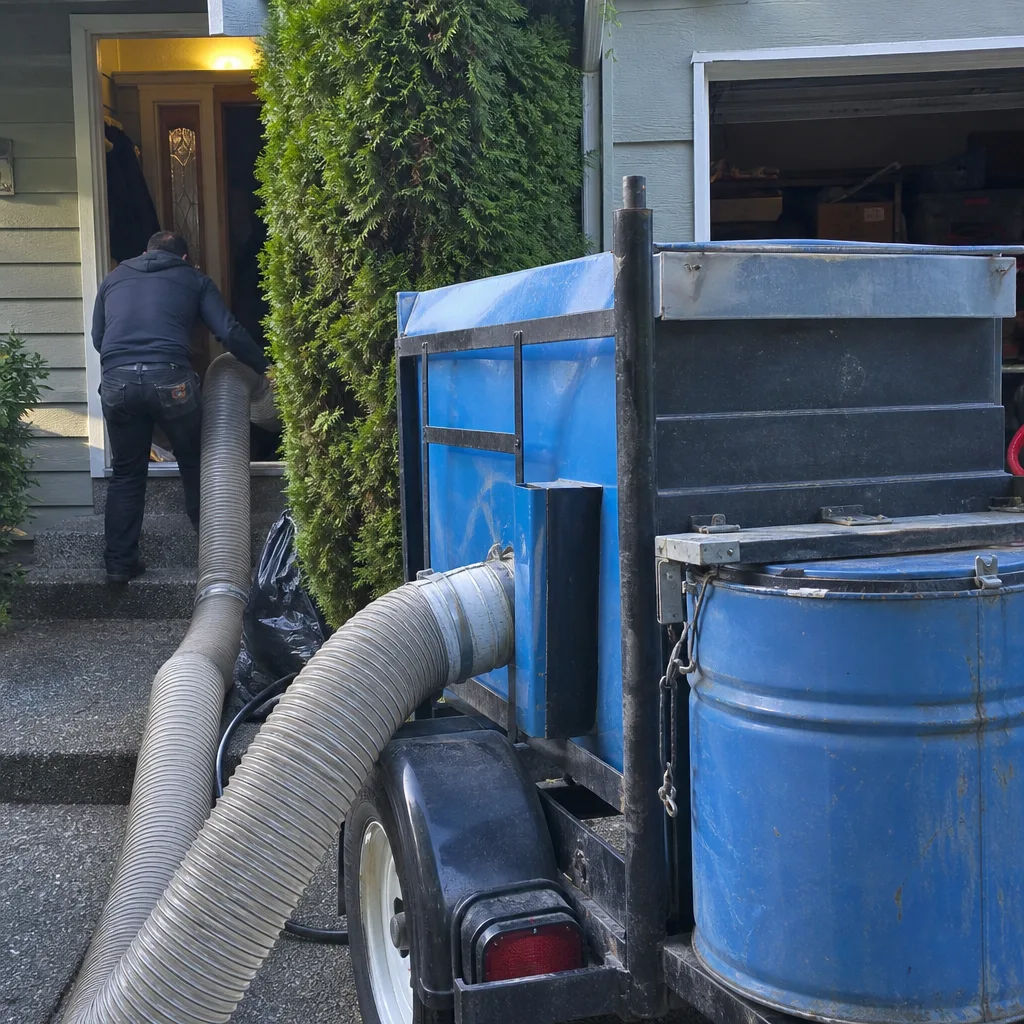
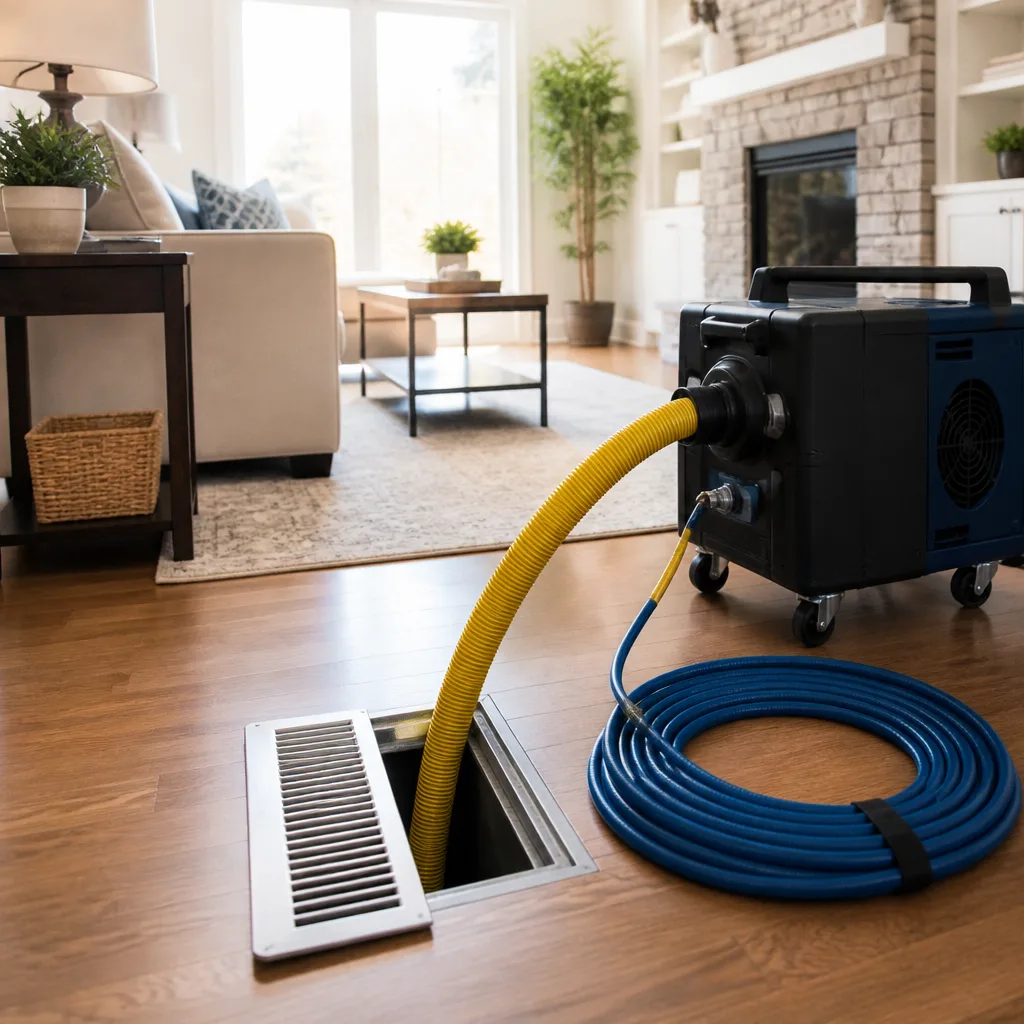 Whole-home duct cleaning
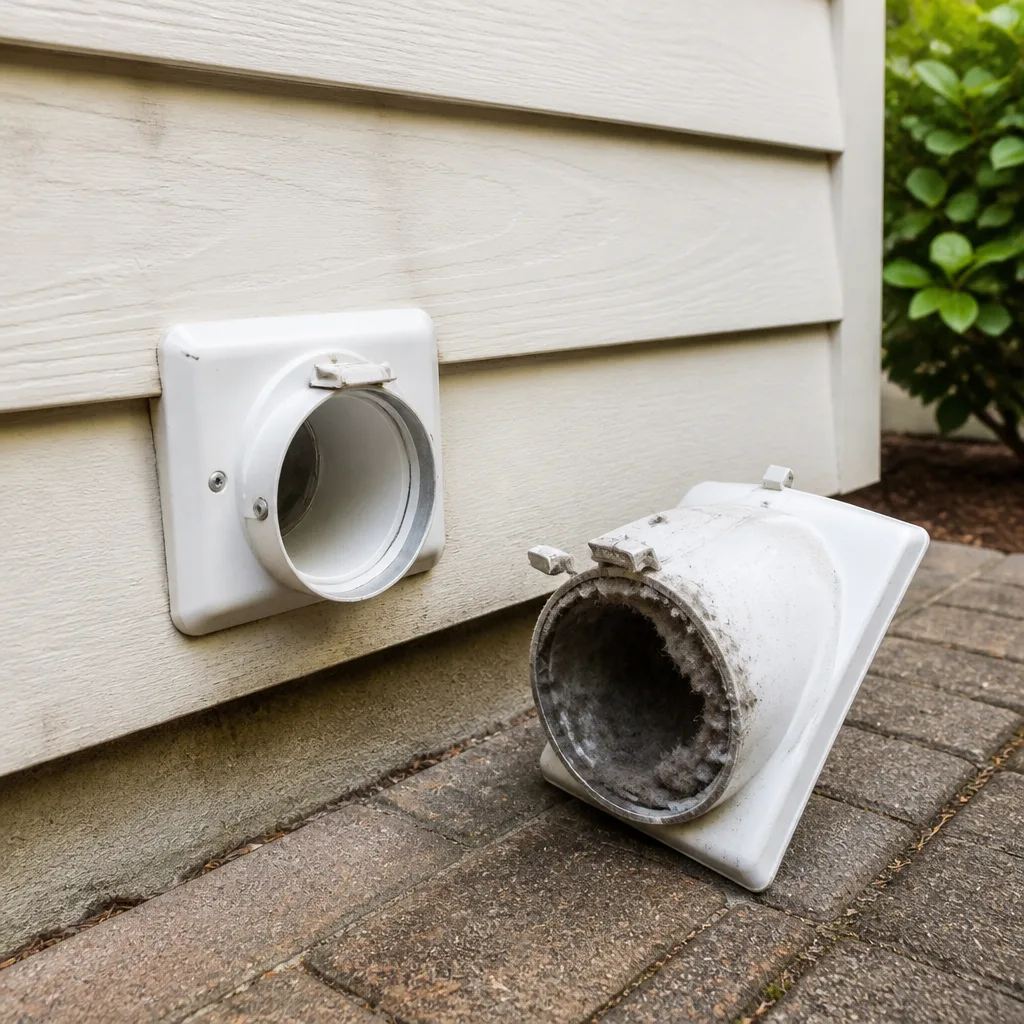 Dryer vent cleaning
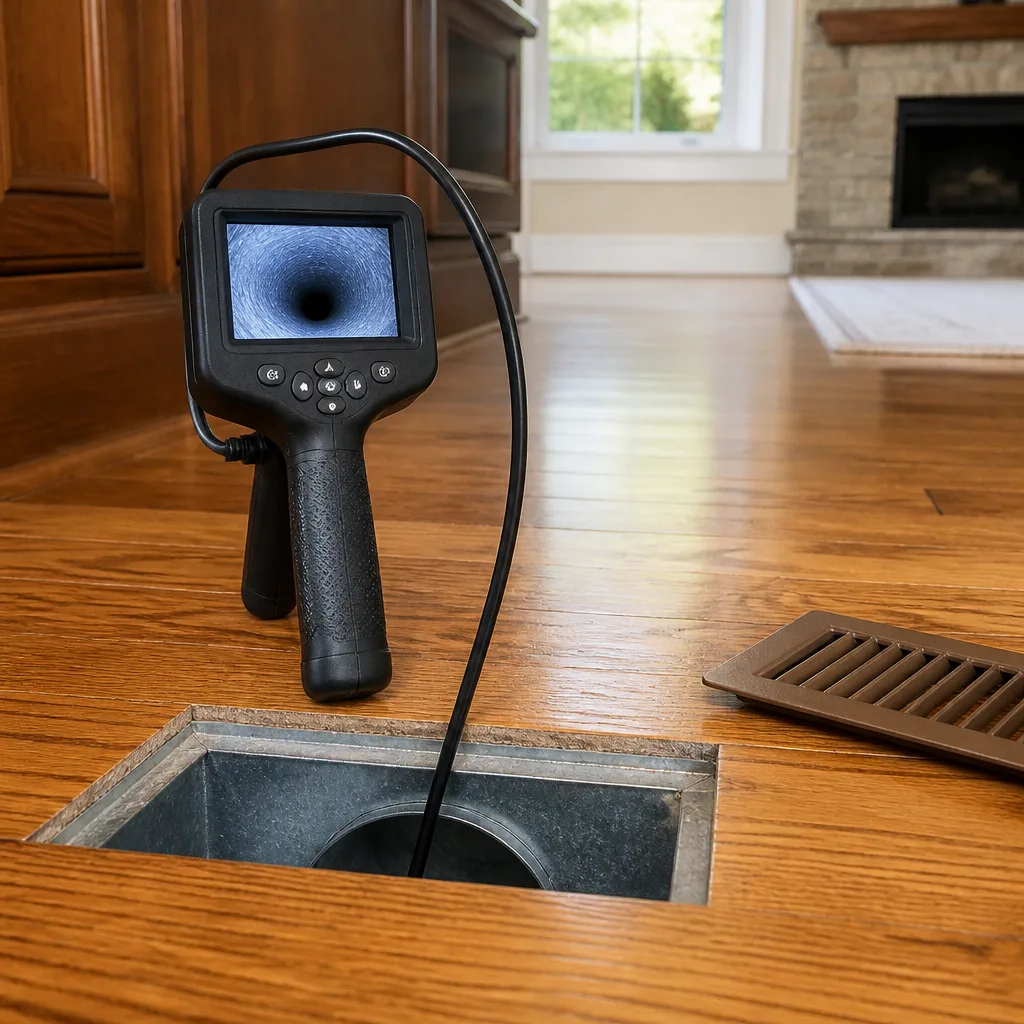 Camera inspection
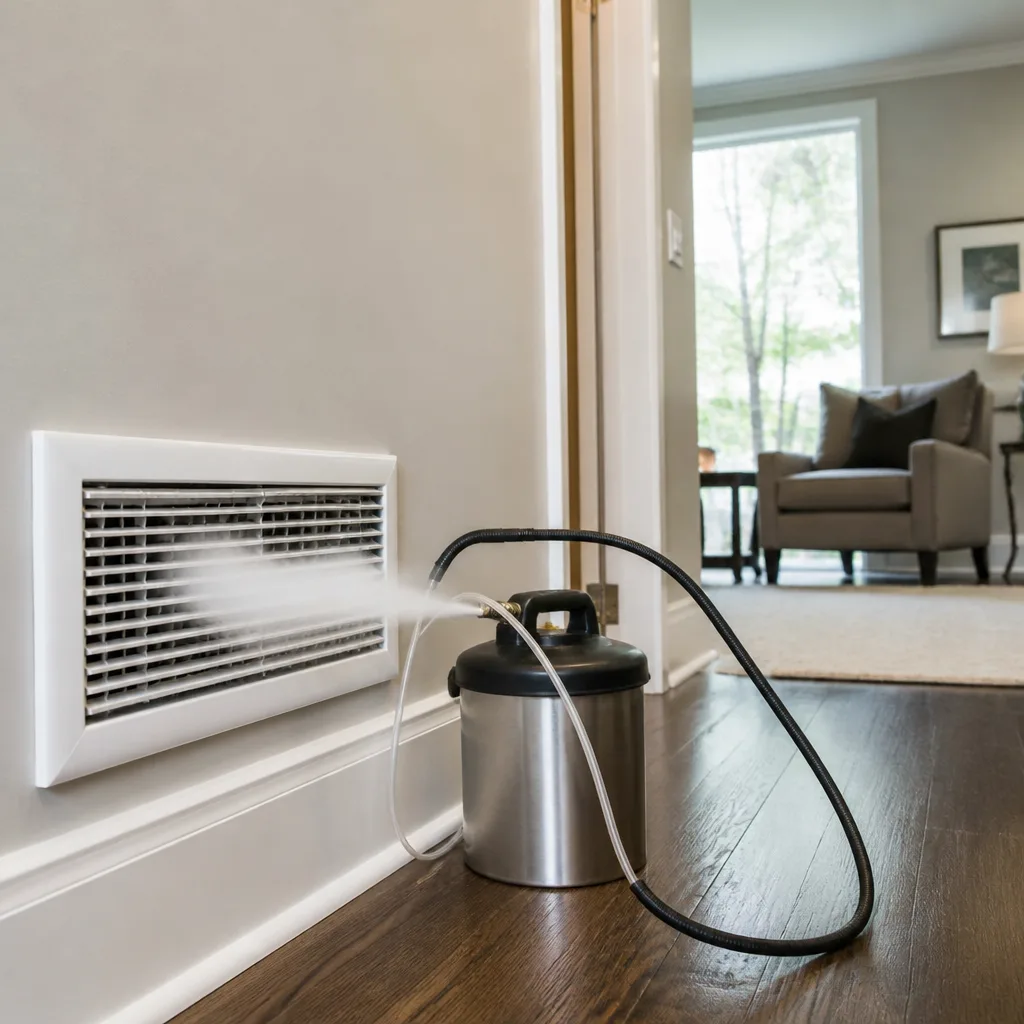 Sanitizing & deodorizing
Whole-system duct and dryer vent check with before-and-after photos - you see exactly what came out of your vents
That "$99 whole-house special" is a bait ad - the real number appears once they are in your hallway, or the "clean" is a shop-vac at the register. We photograph the inside of your ducts before and after instead.
Air Duct Cleaning Maintenance Schedule: What to Do and When
“Clean your ducts every three to five years” is the advice most homeowners hear, and it’s too blunt to be useful. Duct contamination doesn’t follow a calendar. It follows the house: when it was built, what kind of ductwork runs through it, who lives in it, and what’s happened to it lately. A single retiree in a 2015 build and a family of six with two dogs in a 1978 ranch have nothing in common when it comes to duct maintenance, even though they live ten minutes apart in Kent. What follows replaces the generic interval with a trigger-based schedule you can actually apply. You’ll learn what each trigger looks like, how urgent it is, what you can handle between professional cleanings, and how to keep a record that makes the next cleaning measurable.
Quick Answer
There is no universal duct cleaning interval. The honest answer for most Kent homes is: clean when a trigger fires, not on a fixed clock. The triggers are renovation or construction dust, a new pet, a new occupant with allergies or asthma, a recent home purchase, visible debris or musty odor at the registers, or a duct system that has never been professionally cleaned. If none of those apply and your system is healthy, an inspection every two years and cleaning only when the inspection finds a real problem is the sound approach. Homes with older galvanized ductwork and damp crawlspaces often need closer attention than that.
Styles & brands we work with
- Whole-home duct cleaning
- Dryer vent cleaning
- Camera inspection
- Sanitizing & deodorizing
Table of Contents
- Why a Fixed Interval Doesn’t Work
- The Trigger-Based Framework: Seven Signs It’s Time
- How House Construction Era Changes Your Schedule
- Kent and South King County Conditions That Affect Duct Health
- The Crawlspace Inspection You Should Do Every Year
- What You Can Do Between Professional Cleanings
- Documenting Your Baseline After a Cleaning
- Don’t Forget the Dryer Vent
Why a Fixed Interval Doesn’t Work
The EPA’s guidance to clean ducts “as needed” is technically correct and practically useless to a homeowner standing in a hallway wondering whether this is the year. The phrase pushes the judgment back onto you without giving you the tools to make it. That’s the gap this guide fills: defining what “as needed” actually looks like in a Kent home, one condition at a time.
Duct contamination is a load problem. Every hour your air handler runs, it moves air through the same channels, and everything suspended in that air has a chance to settle on duct surfaces: skin cells, pet dander, cooking aerosol, carpet fibers, pollen pulled in through the return, and construction dust if any work is happening nearby. The rate at which that load accumulates depends on six variables:
- House age and duct material. Galvanized steel from the 1960s through 1980s behaves very differently from the flex duct used in most newer construction.
- Occupant count and activity. More people means more skin shedding, more cooking, more movement kicking particles into suspension.
- Pets. Dander and hair are among the heaviest contributors to duct load.
- Filtration quality and filter discipline. A good filter changed on schedule keeps a surprising amount out of the ducts. A clogged filter does the opposite.
- Local climate and crawlspace conditions. Damp air and pest pressure both change what’s happening inside the ducts, not just inside the rooms.
- Recent disturbances. Renovation, roof work, moving in, or a duct repair all stir up debris and change the picture.
Six variables multiplied across every home in Kent is why one interval can’t serve everyone. A fixed three-year rule will be too aggressive for some houses and three years too late for others. The framework below ties cleaning decisions to observable triggers instead of a clock.
The Trigger-Based Framework: Seven Signs It’s Time
Each of the seven triggers below has a different urgency level. Some conditions mean the ducts need professional cleaning soon. Others mean an inspection is warranted first. Read them against your own home and let the most urgent one set the schedule.
Trigger 1: Recent renovation or construction (urgent)
Any project that opens walls, replaces flooring, or produces drywall dust sends fine particulate into the return system, where it settles in the main trunk and branch runs. This is the highest-priority trigger in the whole guide. Schedule cleaning once the project’s dust has had a few days to settle and before you turn the system back on for regular use. A post-renovation cleaning is not optional if you care about the air you breathe for the next several years.
Trigger 2: A new pet in the home (moderate)
Adding a dog or cat changes duct load immediately. Dander is fine, sticky, and it accumulates faster than most people expect. If the previous cleaning was more than two years ago, bring the next one forward. If you’ve never had the ducts cleaned, a new pet is a good reason to start.
Trigger 3: A new occupant with allergies or asthma (moderate to urgent)
When someone with a respiratory condition moves into the home, the ducts stop being an efficiency matter and become an air-quality matter. A professional cleaning establishes a clean baseline, and an air duct cleaning combined with a fresh filter and a look at your whole-home filtration setup is the sensible starting point.
Trigger 4: A recent home purchase (moderate)
You have no idea what the previous owners did. Maybe the ducts were serviced every few years; maybe they never were. Treat a home purchase as a schedule reset: book an inspection, and clean if it finds debris, odor, or damaged ductwork. This is also when you establish the baseline record we describe further down.
Trigger 5: Visible debris or musty odor at the registers (urgent)
Pop a register cover off and look inside with a flashlight. A light film of dust is normal. What isn’t normal: visible debris collecting at the boot, a musty or stale smell when the system starts, or dark staining along duct seams. Any of these means the ducts need attention, and the odor case is worth a repair inspection too, because a disconnected or damp duct behind a wall is often the source.
Trigger 6: Excess dust returning to surfaces quickly (moderate)
Every home has dust. The signal is speed: if you wipe a surface and it’s dusty again within a day or two, and your filter is fresh, the ducts are the most likely contributor. Cleaning alone may not solve it if the underlying cause is a leaking or disconnected duct, which is why repair capability matters alongside cleaning.
Trigger 7: Never professionally cleaned, and the system is more than a decade old (moderate)
If you’ve lived in the home for years and can’t remember the ducts ever being cleaned, and the system is old enough to have accumulated real load, book an inspection. The inspection tells you whether it’s a cleaning job or a repair job, or both.
How House Construction Era Changes Your Schedule
Duct material and construction practices changed in recognizable waves across the region, and those waves matter more than most homeowners realize. Two identical-looking houses on the same Kent street can sit at opposite ends of the maintenance spectrum because of when they went up.
Homes built before roughly 1990 in Kent frequently have galvanized steel ductwork in the main trunk and branches, sometimes with rigid metal boots at the registers. Steel is durable and cleans well with rotary brushing, but it also corrodes over time when moisture reaches it. Interior corrosion roughens the surface, which gives dust more to grip than the smooth steel it was originally. Corroded ducts hold contamination longer and benefit from a shorter interval between cleanings. Where corrosion is severe, or where seams have separated, cleaning alone won’t restore performance; that’s a repair job, and it’s worth knowing before the next heating season.
Homes built from the 1990s onward typically use flex duct in the branch runs. Flex is efficient and inexpensive to install, but its corrugated interior collects debris on its ridges, and the duct is easy to kink, sag, or tear. Sagging flex creates low spots where dust and sometimes moisture pool, and a torn flex section will leak conditioned air into a crawlspace. Flex systems generally hold up well with proper installation and a reasonable cleaning interval, but they need inspection for physical damage at the same time as cleaning.
The practical takeaway: before you pick any interval, know what your ducts are made of and how old the system is. Our technicians have up to 15 years of experience reading exactly this, and a professional brushing system like the Rotobrush equipment we use is built to clean both steel and flex properly rather than hoping a shop vacuum reaches the branch runs. Ducts are only as clean as the process used.
Kent and South King County Conditions That Affect Duct Health
Kent sits in a climate that alternates between wet and dry seasons rather than extreme heat or cold. That shapes duct maintenance in ways generic advice doesn’t address. The wet season pushes humidity up, which makes crawlspace moisture a recurring concern. The dry season is dusty enough that filters load more quickly, and the pollen season runs long enough to put real demand on the return side of the system.
Housing stock adds another layer. Many homes around Kent’s older neighborhoods have at least some portion of ductwork routed through unconditioned crawlspace or attic space. That exposed ductwork is where trouble usually starts: a sagged flex run, a joint that’s worked loose, moisture collecting in a low spot, or pest intrusion chewing or nesting in an insulated section. None of those show up on a thermostat, but they all affect indoor air. When we clean, we use Abatement Technologies air scrubbers and negative-air setup on site to control particulate during the job rather than recirculating it through the house, and we inspect the exposed runs while we’re there because that’s where the real problems live.
Neighborhood matters less than house condition, but it’s worth saying that a schedule tuned for a house in the Valley with new flex duct isn’t right for a house on the East Hill with a forty-year-old galvanized trunk and a damp crawlspace. If you’re in the area and want the local picture, the Kent page covers where we work and what we typically encounter. The core message is the same everywhere in Kent: the crawlspace and the oldest duct runs deserve the closest attention.
The Crawlspace Inspection You Should Do Every Year
Once a year, before the wet season sets in, do a visual walk of your exposed ductwork. This is the single most useful inspection you can do yourself, and it takes fifteen minutes. You’re not fixing anything, only observing. If your ducts are entirely inside conditioned walls and ceilings, skip this and rely on the professional inspection instead. If any portion runs through a crawlspace or attic, this is your annual routine:
- Look at every visible flex duct joint. You’re checking for separation where the duct meets the boot or trunk. A disconnected run means conditioned air is dumping into the crawlspace and unplanned air is coming back in.
- Check for sagging or kinked runs. A duct with a low spot is a place moisture and debris will collect. It’s also fighting airflow.
- Scan the insulation for tears or pest damage. Rodent activity around ducts is common in South King County crawlspaces. A chewed insulated section needs repair, not just cleaning.
- Feel for dampness on the duct surface and look for standing water under your vapor barrier. Persistent moisture makes the ducts a breeding ground for microbial growth and accelerates corrosion on steel.
- Watch for daylight or obvious gaps at penetrations. A visible gap between the duct and the floor above is an entry path.
If anything on this list looks wrong, the right next step is a professional inspection rather than a cleaning. Cleaning a disconnected or damp duct without repairing it wastes the cleaning and leaves the underlying problem in place. That’s why we handle cleaning and repair together: we clean it, and we fix it if it’s broken.
What You Can Do Between Professional Cleanings
A lot of duct maintenance is simple, low-risk work any homeowner can do. The trick is knowing where the line sits between maintenance and anything that requires real equipment. Here’s what belongs to you and what belongs to us.
Yours to do
- Wipe down the register covers. Every couple of months, take the register grilles off and wipe both sides. The dust collecting on the grille is dust that would otherwise be drawn further into the system the next time the fan runs.
- Stay on top of the air filter. Change or clean it on a schedule tied to the season: more often through the dusty dry stretch and the pollen season, and on a normal cadence the rest of the year. Wait until the filter looks dirty and you’ve waited too long already.
- Do the crawlspace visual walk once a year, as described above. It’s the highest-value item on this whole list.
- Keep an eye on crawlspace humidity. If you use a dehumidifier or venting strategy, check it works before the wet season, not after. Persistent moisture in the crawlspace finds its way into the ducts.
- Watch the registers for the early signs covered in the trigger section and note when you first noticed them.
Ours to do
Agitating and extracting debris from the inside of every branch run and the main trunk requires a rotary brushing system connected to high-efficiency vacuum collection. Shop vacuums don’t reach across a branch run and don’t hold the particulate. That’s why we run professional Rotobrush and Nikro equipment: the same class of tools used by certified restoration contractors. Whole-home filtration components from brands like Honeywell and Aprilaire are also worth a professional look once every few years, since a filter system that isn’t working properly changes how often the ducts need cleaning in the first place. Better air starts inside the system, not just at the filter.
Documenting Your Baseline After a Cleaning
Most homeowners have no way to tell whether the last duct cleaning was thorough or superficial. The fix is simple: document the state of the system right after a professional cleaning. A true before-and-after comparison is only possible if you have a recorded baseline. Here’s how to do it.
- Walk the house with a camera the same day as the cleaning. Photograph the inside of the return register, the supply boot in the room you use most, and the main trunk where it’s accessible.
- Note the date, the duct material, and how many supply and return runs the system has. Keep this with the photos.
- Get the before-and-after photos of your own ducts from the cleaning company. Every legitimate cleaning job should produce them. If a company won’t provide photos of your system, that’s useful information about the company.
- Log the filter type and the replacement date. Over time you’ll see how the schedule relates to real dust return, and you’ll know which filter you were running when you got the best results.
- Repeat the photo set every twelve months. This is what makes the next decision obvious rather than a guess.
Documentation does two things. It gives the next technician a straight comparison to work from, and it protects you against a cleaning that was never really done. It’s also how you decide whether your honest interval is two years or five.
Don’t Forget the Dryer Vent
Duct maintenance is more than supply and return. The dryer vent is a duct too, and it deserves a spot on the same schedule for a completely different reason: it’s a fire risk, not a nuisance task. Lint accumulates through ordinary laundry, and the flexible transitions and long runs in many Kent-area homes are exactly where it builds up fastest.
Add an annual dryer vent cleaning to your maintenance calendar, and check the outside flap periodically to make sure it still opens freely when the dryer runs. Dryer vent cleaning as a dedicated service is part of our regular work, and it’s worth treating it as seriously as the ducts. If you’re sorting out the whole-system picture for the year, dryer vent cleaning alongside duct maintenance is a straightforward call to make once a year rather than something to remember when the dryer starts taking longer. If you want the full picture of what we handle, our Duct Cleaning Kent home base lays out the three services: air duct cleaning, dryer vent cleaning, and air duct repair.
Common Mistakes to Avoid
- Treating three to five years as a universal rule. It ignores construction era, pets, occupant load, and crawlspace conditions, and in a Kent home with old galvanized ductwork and damp space the real interval is shorter. Set your schedule from the triggers, not the calendar.
- Cleaning when the real problem is repair. A disconnected or leaking duct stays disconnected after the vacuum goes away. Any cleaning should be paired with a repair inspection, especially in older crawlspace duct runs.
- Choosing the cheapest bid without asking what equipment it uses. A shop vacuum and no rotary brush can look like professional work from the outside and leave the branch runs essentially untouched. Ask what system the technician brings in.
- Skipping the crawlspace for years. The crawlspace is where duct damage actually happens. An annual fifteen-minute visual walks beats a decade of neglect.
- Letting the filter slide. A clogged filter lets more particulate reach the ducts and forces the blower to work harder. Filter discipline is the cheapest duct maintenance available.
- Forgetting the dryer vent. Homeowners often think of drain cleaning or furnace tune-ups first, but a packed dryer vent is a documented leading cause of residential structure fires. Put it on the same annual schedule.
- Never documenting the baseline. Without a recorded baseline and photos of your own ducts, you can’t tell a thorough job from a superficial one next time.
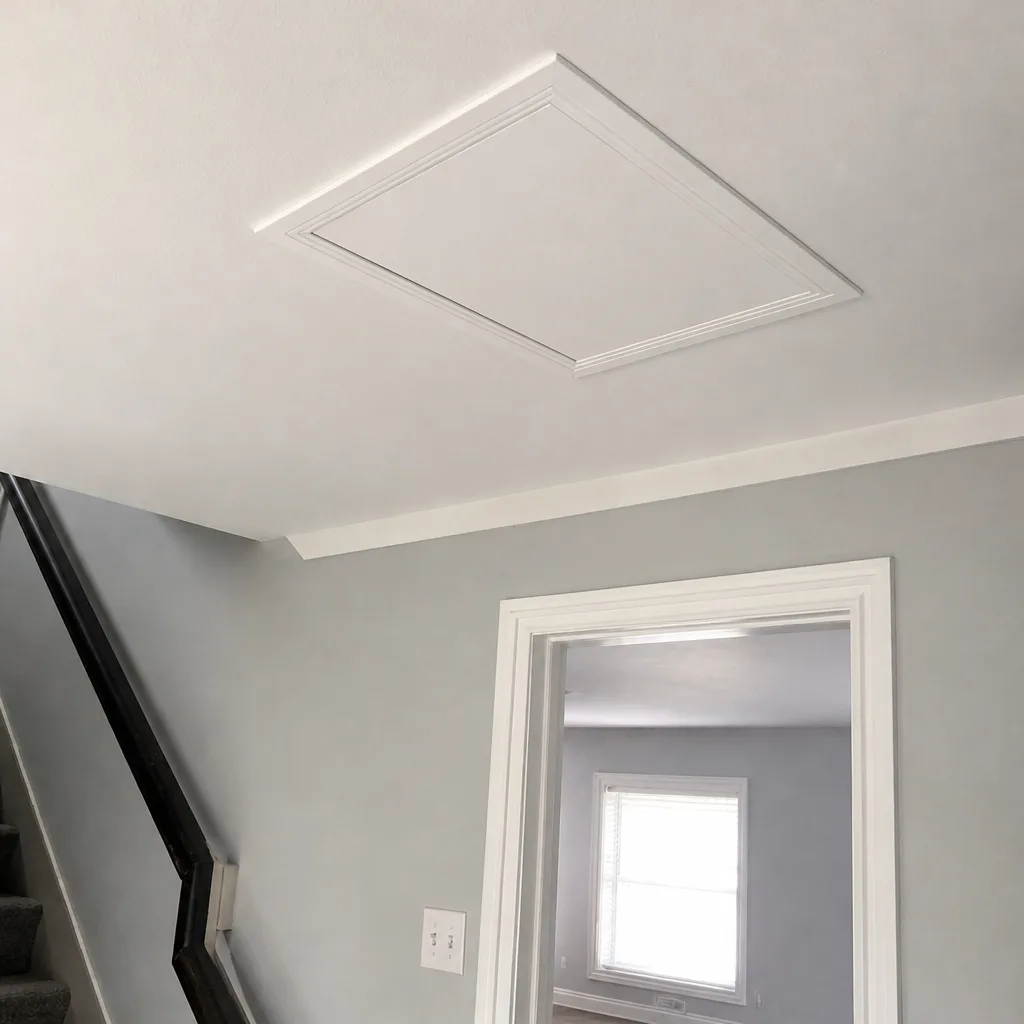
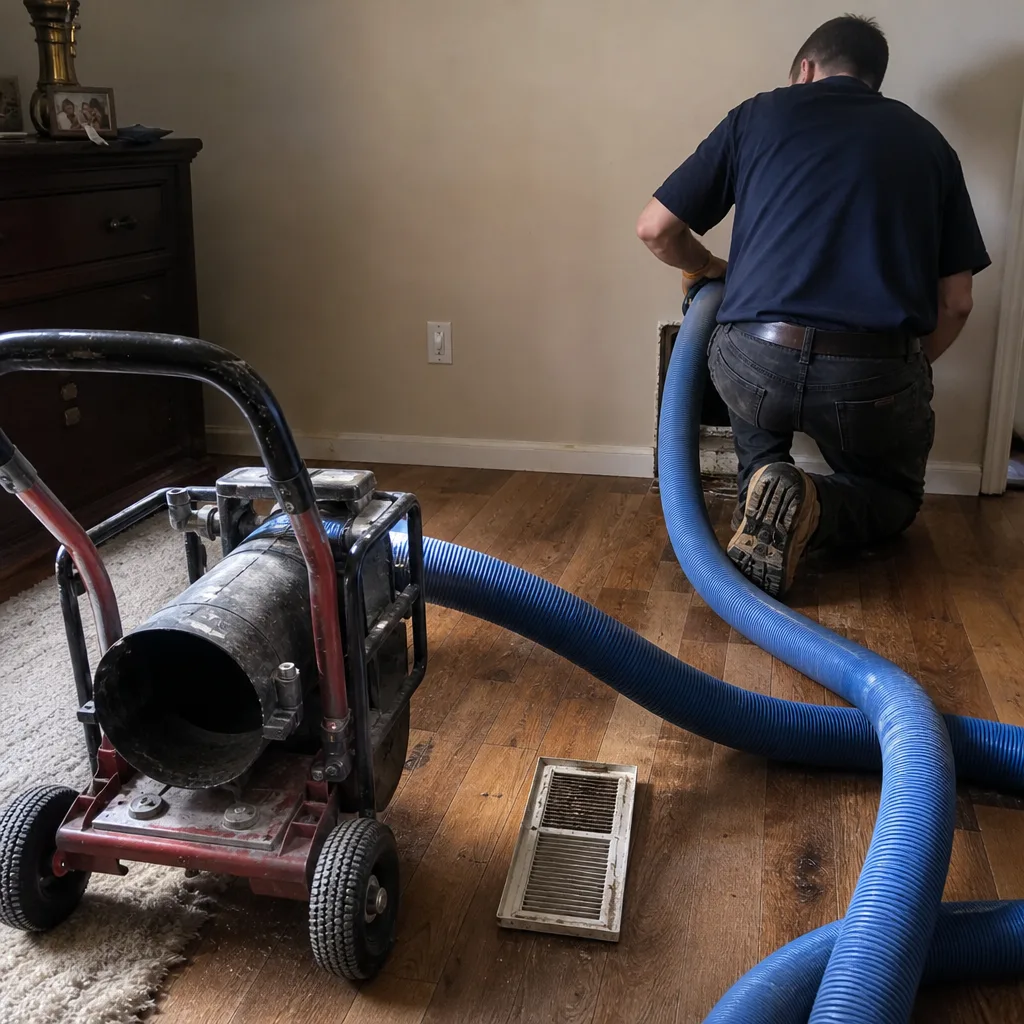
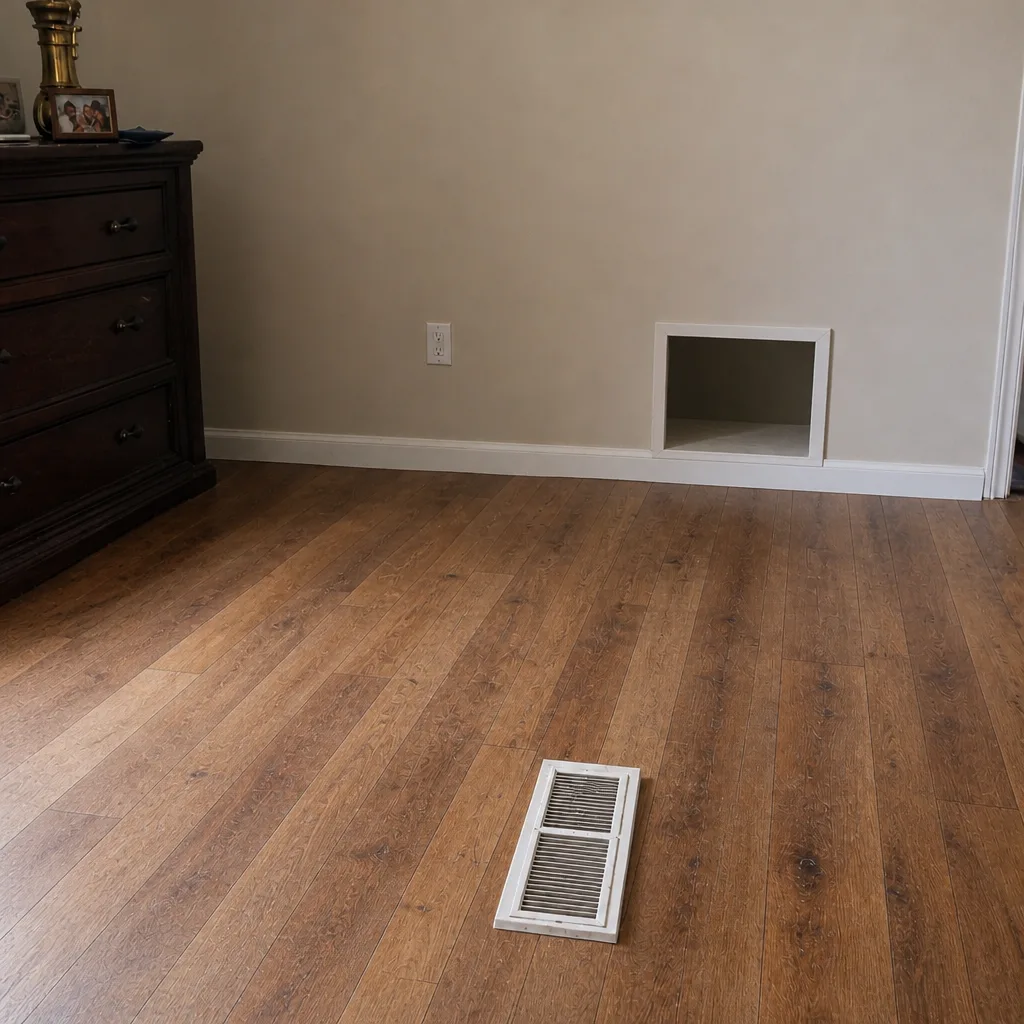
See the difference
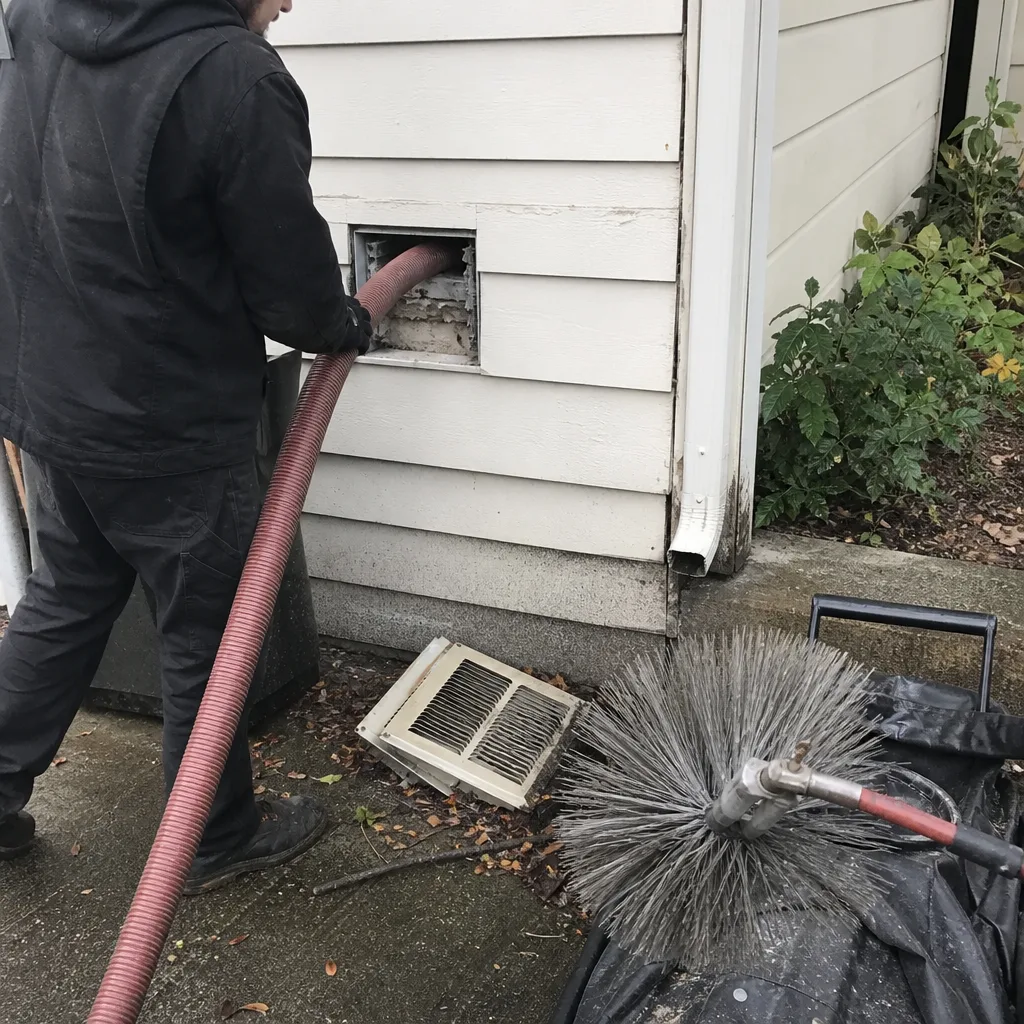 Before
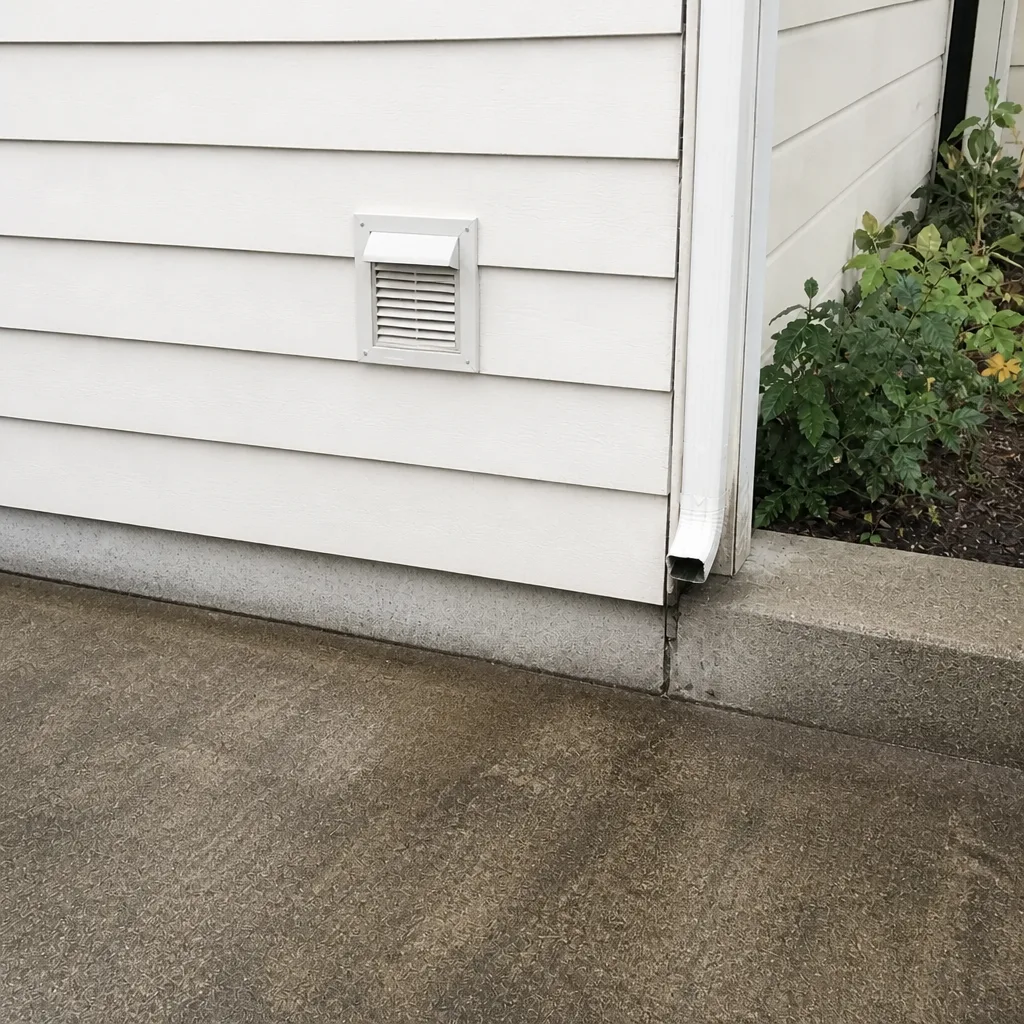 After
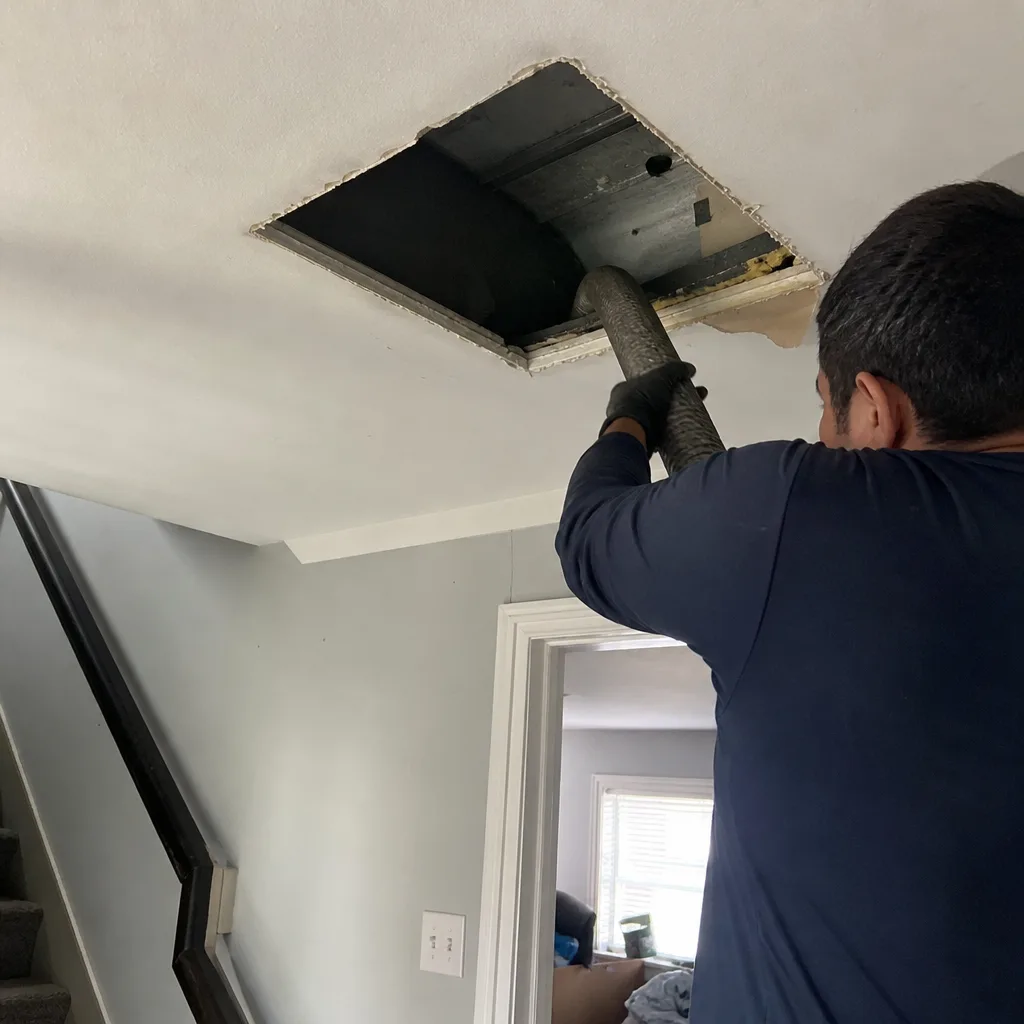 Before
 After
 Before
 After
When to Call a Professional
Call a professional if any of these apply: your renovation is finishing and the dust has settled, you’ve never had the ducts cleaned and the system is more than a decade old, you’re seeing visible debris or smelling mustiness at the registers, someone in the home has developed respiratory symptoms that line up with the ducts, the crawlspace walk turns up a disconnected, damp, or chewed duct, or you’ve recently bought the home and want to start with a known condition. Any of these is a reason to schedule, not to guess. Duct Cleaning Kent offers free estimates in Kent, so there’s no cost to finding out. Call (866) 761-6504. We answer 24/7. Fast dispatch from 7am to 7pm, Sunday through Friday.
Frequently Asked Questions
There’s no single interval that fits every Kent home. Clean based on triggers rather than a calendar: after renovation, when a new pet or a new occupant with allergies arrives, after a home purchase, when you see debris or smell mustiness at the registers, or when the ducts have never been cleaned and the system is old. Inspect every two years, and clean when the inspection finds a real condition. Older galvanized ducts in damp crawlspaces often need a shorter interval than newer flex systems. Call (866) 761-6504 for an exact quote: estimates are free.
On a newer home with clean flex duct and a solid filter routine, routine cleaning may not be necessary right away. The trigger that usually pulls a new home out of that group is renovation dust, a pet, or an occupant with a respiratory condition. A new build should still get a documentation baseline and an annual crawlspace visual if any duct runs through unconditioned space. If you’re unsure, an inspection is the cheap way to find out.
Cleaning removes accumulated debris from the inside of the duct surfaces, and repair fixes physical problems like disconnected runs, leaks, torn flex, or damaged insulation. Cleaning can’t fix a duct that isn’t connected, and repair doesn’t clean the system. Most jobs turn out to need one or the other, and some need both, which is why we do both. An inspection tells you which before any work starts.
Yes. Take off a register cover and look inside with a flashlight, and do the annual crawlspace walk. Signs that warrant a call: visible debris at the register boot, a musty smell when the system starts, a duct run that looks sagged or disconnected, damp patches on duct insulation, and dust returning to surfaces within a day or two of wiping. Any of these is a reason to call (866) 761-6504. Estimates are free.
Wipe register grilles every couple of months, stay on top of the filter with a seasonal schedule, and do the annual crawlspace visual. Keep an eye on crawlspace humidity through the wet season. This is the work that preserves the value of a professional cleaning.
Ask for before-and-after photos of your own ducts. A legitimate professional cleaning job produces them, and they’re the only way to compare this cleaning with the next one. Pair the photos with a recorded baseline of the date, duct material, and system layout. Our technicians use professional Rotobrush and Nikro equipment and follow a documented process, and the photos are the proof.
The Bottom Line
Forget the three-to-five-year rule. The intervals that matter in a Kent home come from the specific conditions inside it: the era the house was built, the material the ducts are made of, the people and pets living there, the events in the home’s recent past, and the state of the crawlspace. Use the seven triggers to decide when cleaning is warranted. Do the annual crawlspace walk. Keep the filter fresh and wipe the registers. Document the baseline after the job so the next comparison is honest. Add dryer vent cleaning to the same annual schedule, because a packed vent is a fire risk, not a nuisance. That combination gives you a real maintenance schedule instead of a generic one, and it’s why we say: we clean it, and we fix it if it’s broken.
For a free estimate in Kent and a look at your actual system, call (866) 761-6504. We answer 24/7. Fast dispatch from 7am to 7pm, Sunday through Friday.
Written by the team at Duct Cleaning Kent.