
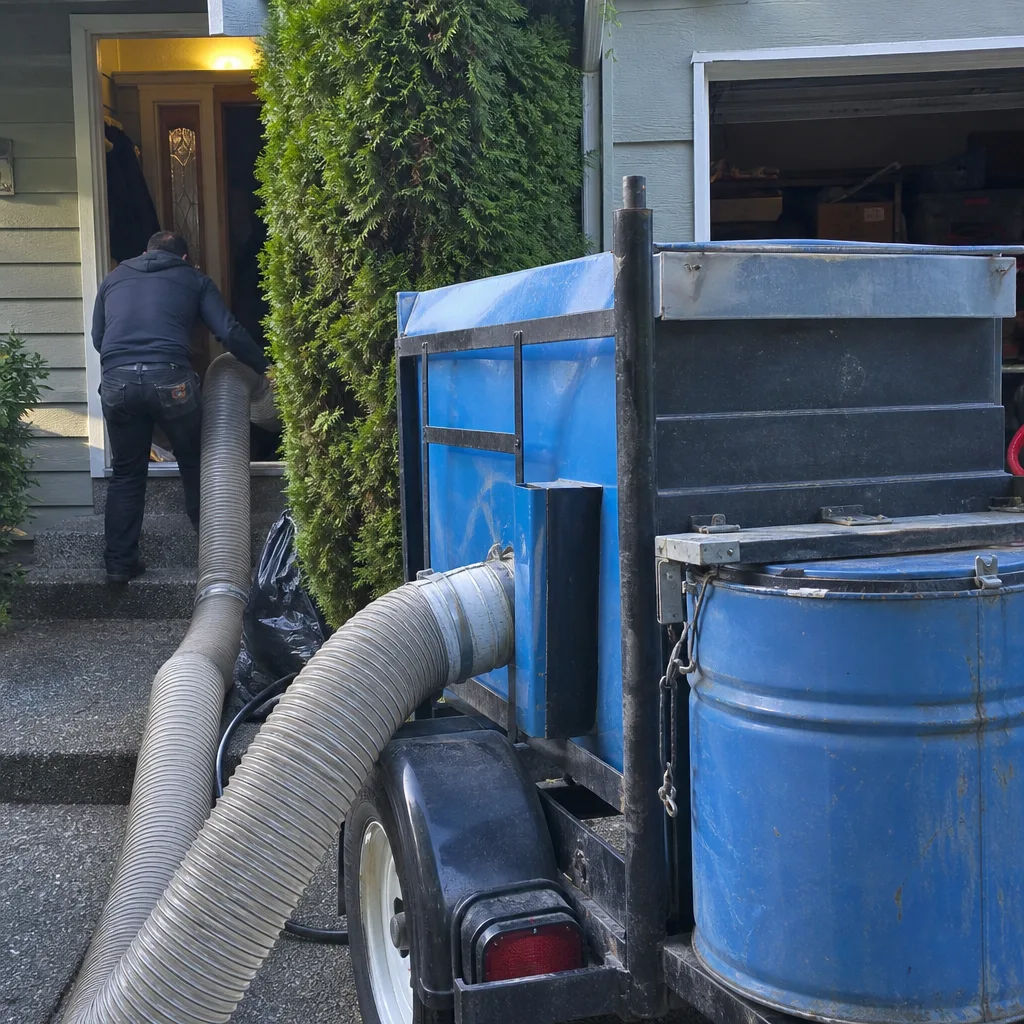
Last updated November 16, 2026
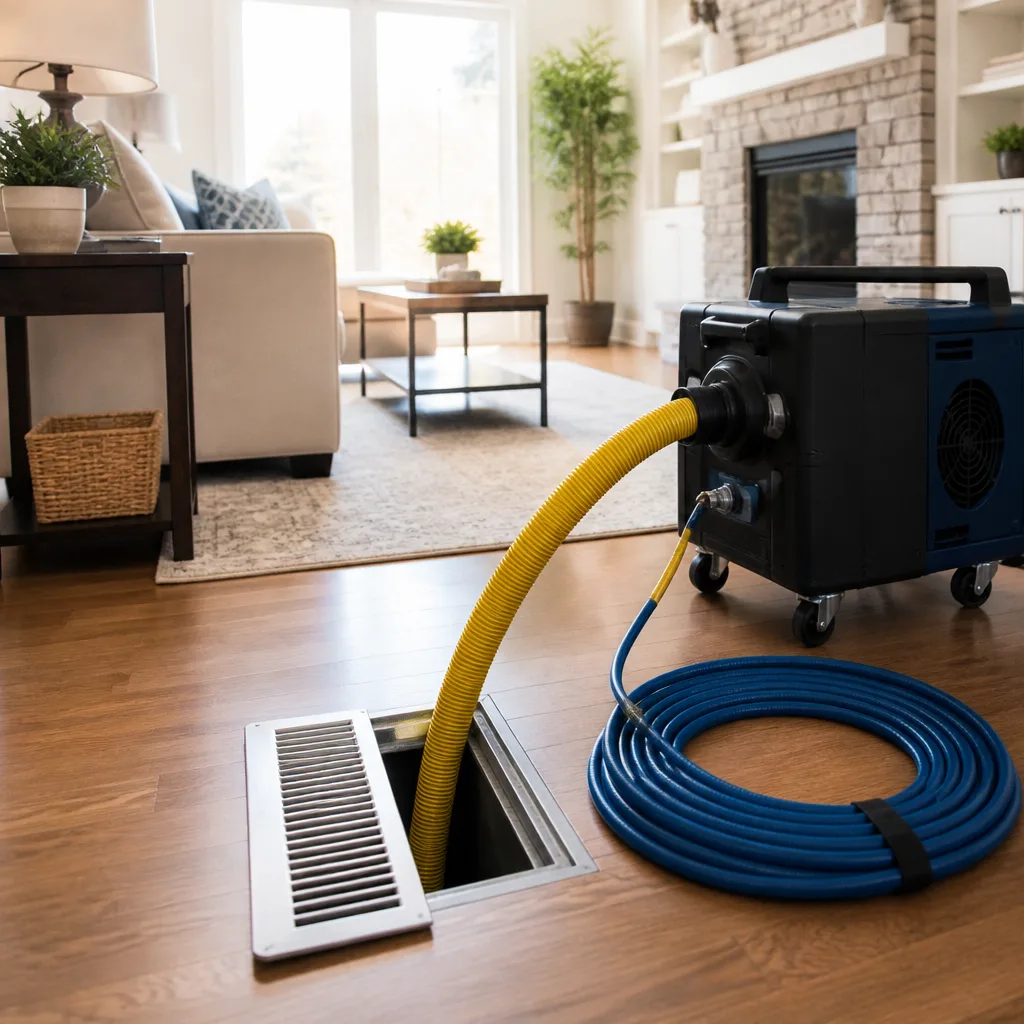 Whole-home duct cleaning
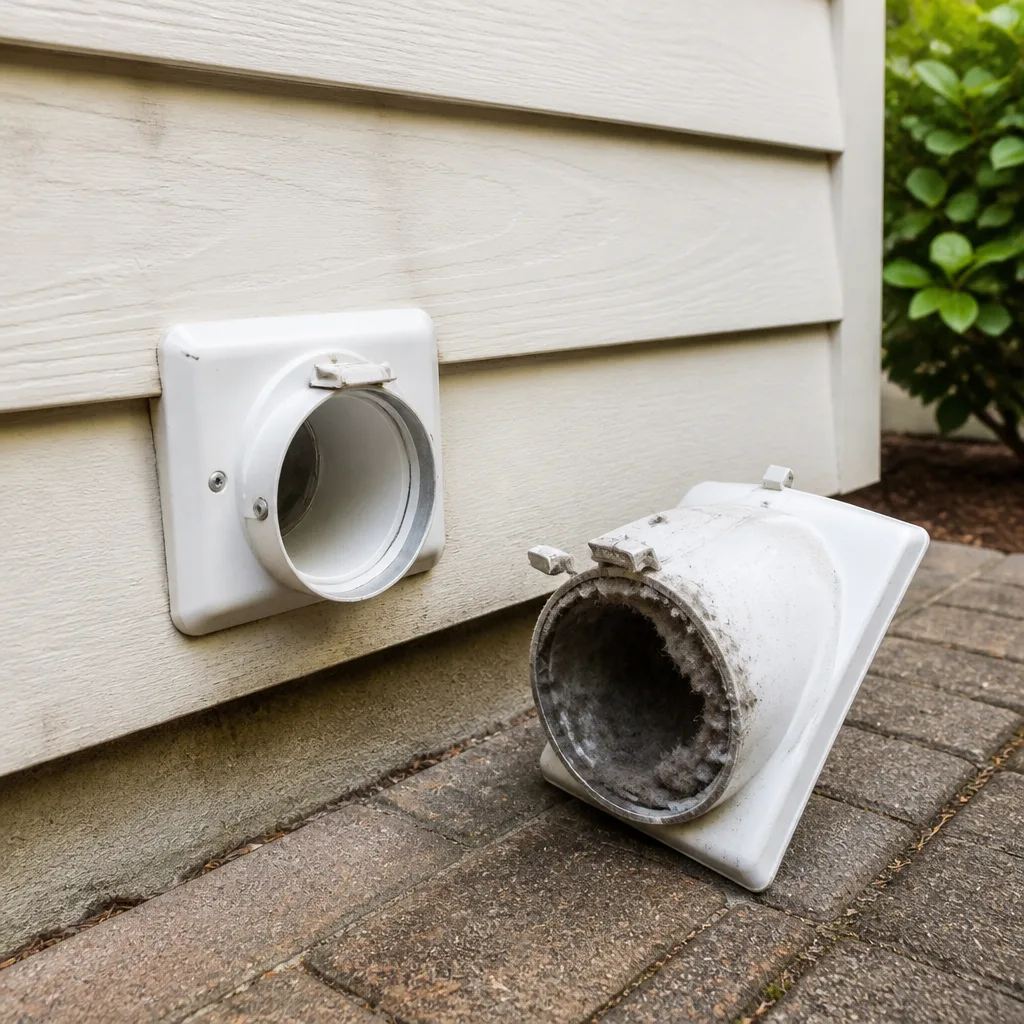 Dryer vent cleaning
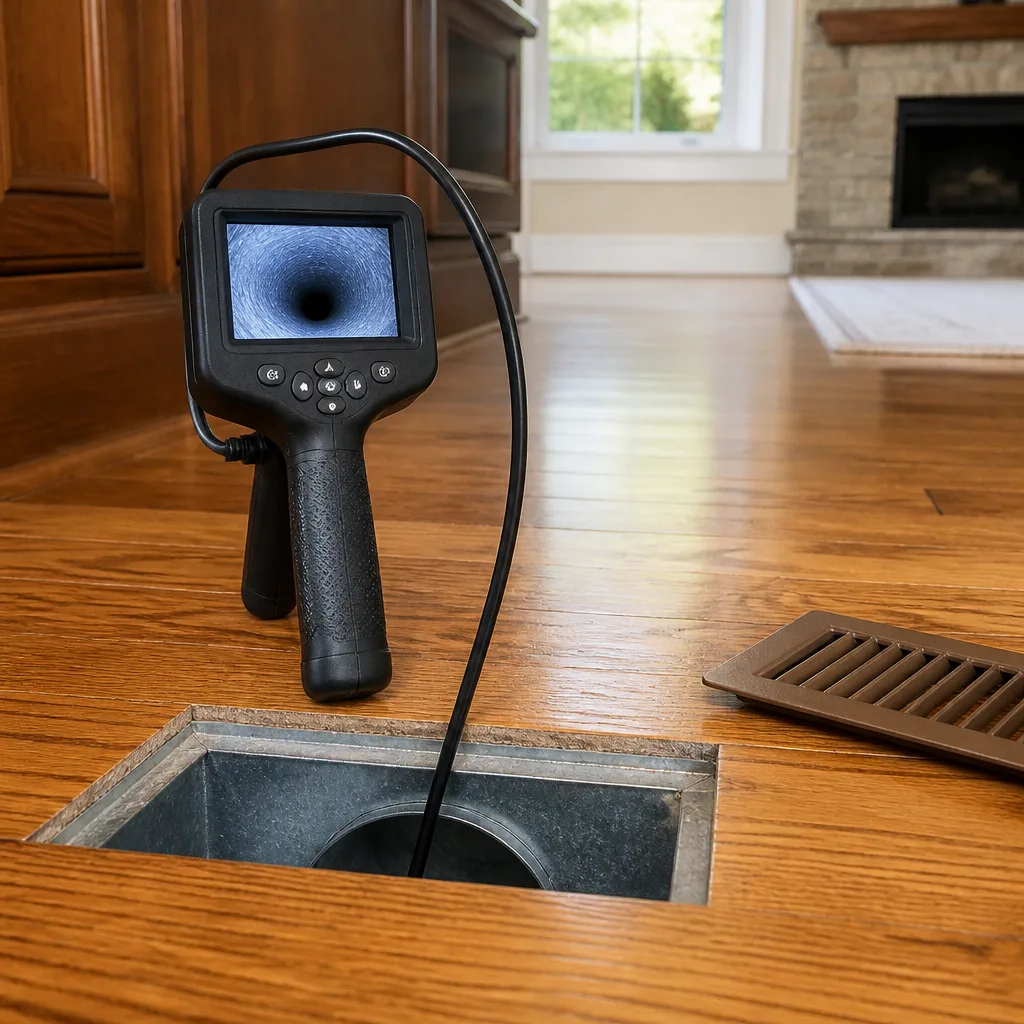 Camera inspection
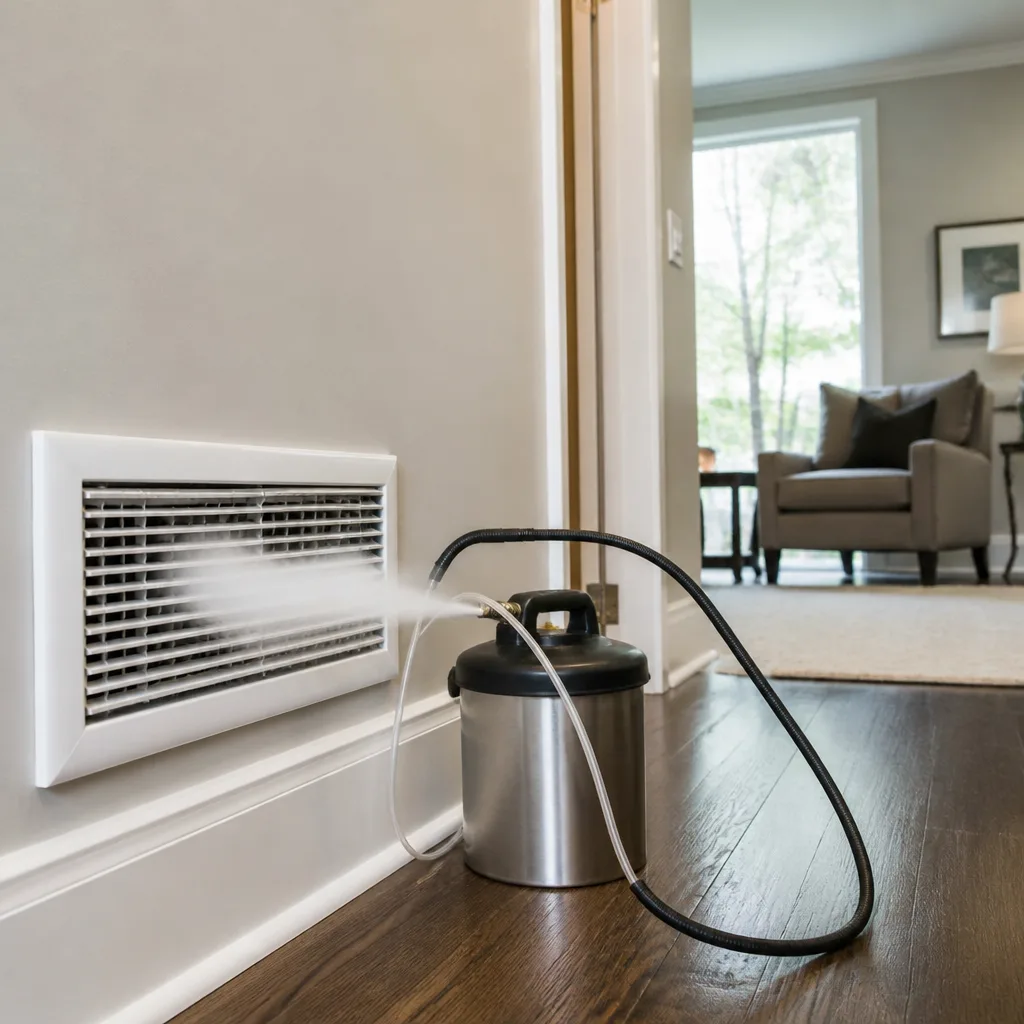 Sanitizing & deodorizing
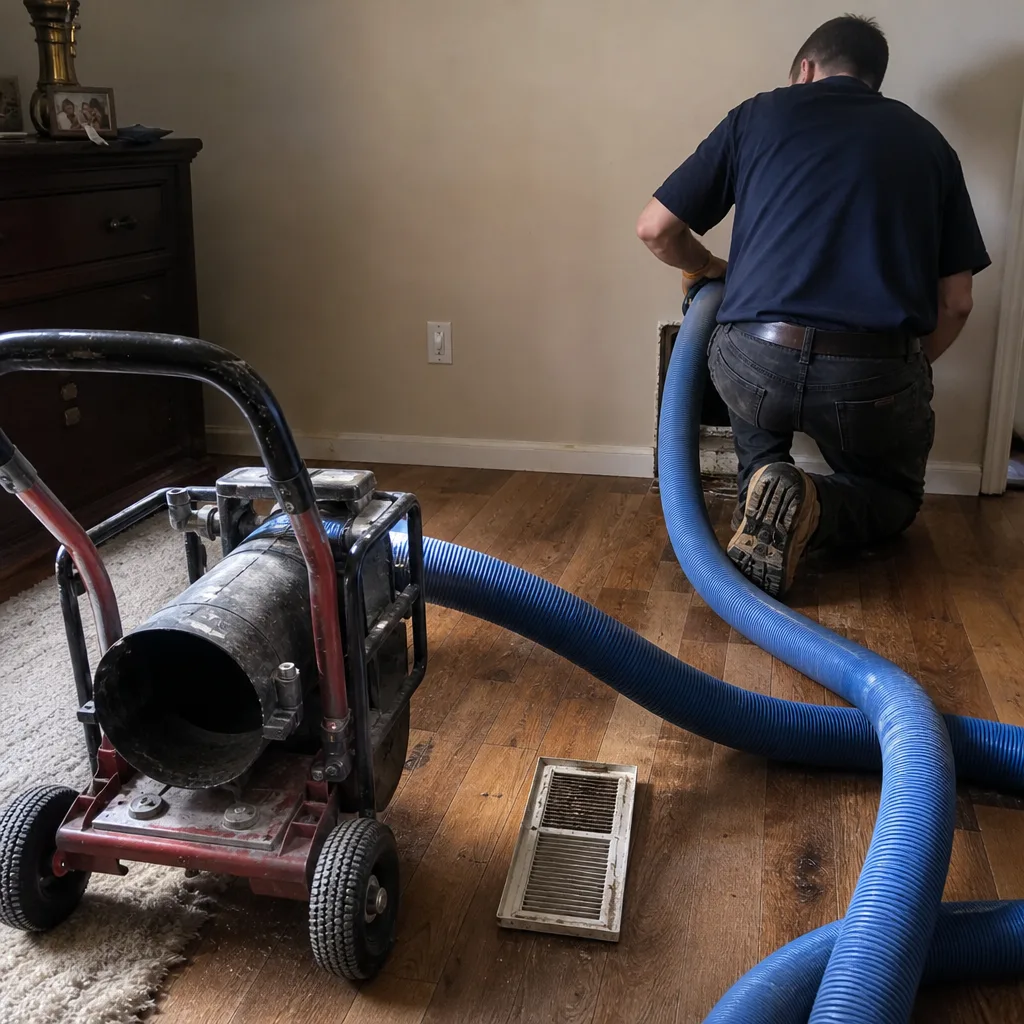
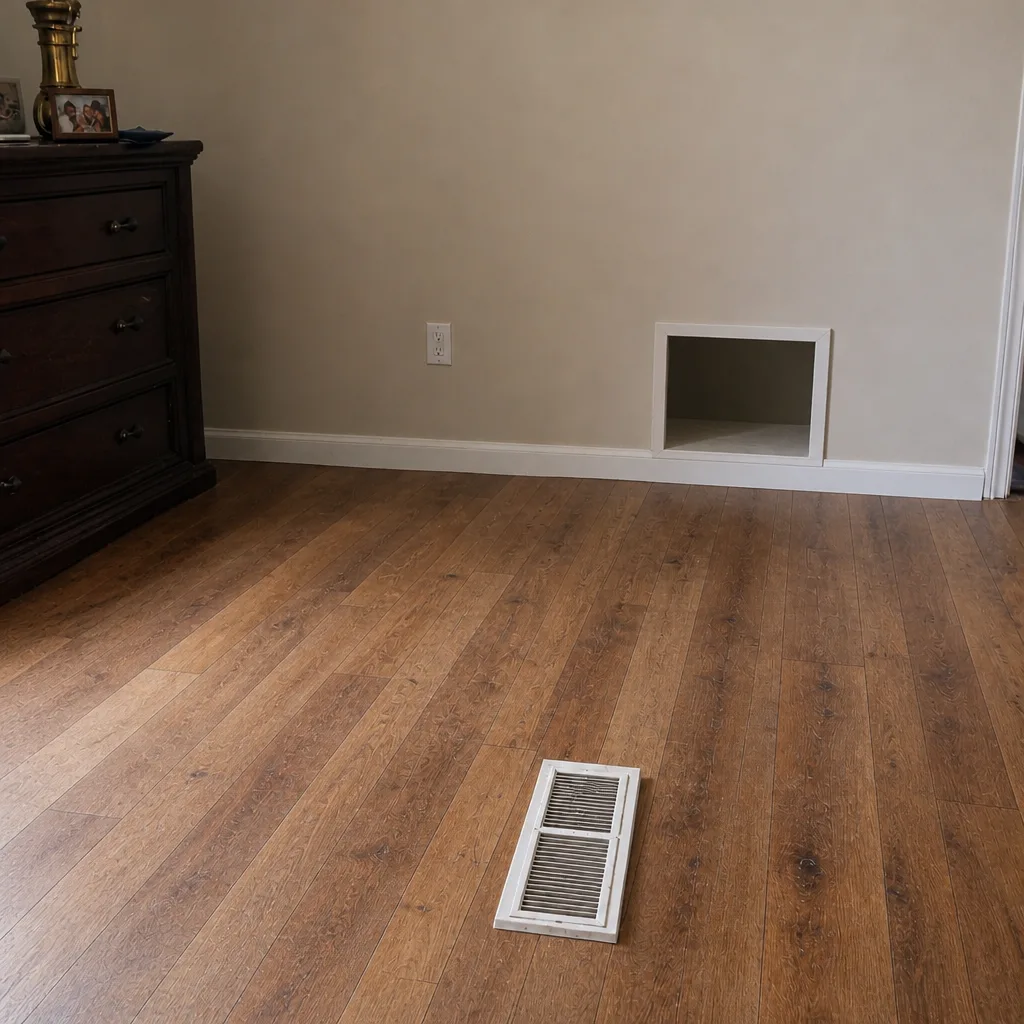
Whole-system duct and dryer vent check with before-and-after photos - you see exactly what came out of your vents
That "$99 whole-house special" is a bait ad - the real number appears once they are in your hallway, or the "clean" is a shop-vac at the register. We photograph the inside of your ducts before and after instead.
Air Duct Cleaning Troubleshooting in Kent: Common Problems and How to Fix Them
A duct cleaning that doesn’t address a disconnected trunk line is like mopping around a leaking pipe. The problem is structural, not sanitary, and no amount of vacuuming will fix it. Most homeowners in Kent reach for a cleaning first, then wonder why the musty smell or the weak airflow in the back bedroom didn’t go away. The truth is that the symptoms you notice upstairs usually point to a specific failure somewhere in the system, and identifying that failure before anyone touches a vacuum saves you money. In this guide, we’ll walk through the actual causes behind the most common duct complaints, how to read the clues your own system gives you, and when a cleaning is the answer versus when you need air duct cleaning paired with a real repair. You’ll learn to trace a symptom back to its root cause.
Quick Answer
Most air duct problems in Kent fall into three categories: airflow restrictions (dirty filters, crushed flex duct, disconnected joints), odor issues (moisture, mold-adjacent growth in insulation, bathroom exhaust cross-connections), and structural failures (collapsed elbows, torn duct runs, failing tape joints). Only the first category responds to cleaning alone. The other two need diagnosis and often duct cleaning plus repair to resolve. If your system has never been professionally cleaned, start there. If it’s been cleaned and the symptom persists, the cause is structural and cleaning won’t fix it.
Styles & brands we work with
- Whole-home duct cleaning
- Dryer vent cleaning
- Camera inspection
- Sanitizing & deodorizing
Table of Contents
- How Do You Tell an Airflow Problem From a Dirty Duct Problem?
- Why Do Musty Odors Come Back After a Cleaning?
- How Does Kent’s Climate Affect Your Ductwork?
- How to Use Your HVAC Filter as a Diagnostic Tool
- When Re-Cleaning Won’t Help and Duct Section Replacement Will
- Why Dryer Vent Problems Get Mistaken for Duct Problems
- What Honeywell and Aprilaire Systems Do and Don’t Fix
- Common Mistakes to Avoid
- When to Call a Professional
- Frequently Asked Questions
How Do You Tell an Airflow Problem From a Dirty Duct Problem?
Airflow problems and dirty duct problems are different animals, and they require different fixes. If a room feels weak on supply but other rooms are fine, the problem is almost always local to that duct run. If every room feels weak, the problem is central to the air handler, filter, or main trunk. That distinction alone saves you from paying for a whole-system cleaning when the real fix is a filter change or a single crushed flex duct.
Here’s how to sort it out in a few minutes:
- Hold your hand at each supply register. Note which rooms feel strong, weak, or none at all.
- Check the return grille. A single high-resistance return can starve the whole system.
- Pull the filter. If it’s moderately soiled and the whole system is weak, replace it and retest.
- If one room is weak, look for a flex duct feeding it that has been crushed, kinked, or disconnected at a collar.
- If half the house is weak, suspect a disconnected trunk line or a collapsed duct segment behind a wall or in the attic.
Dirty ducts rarely cause dramatic single-room airflow loss. They add resistance, but they don’t strangle one register while leaving the others untouched. Crushed flex duct, torn insulation, disconnected collars, and collapsed elbows do exactly that. In our experience cleaning ducts across Kent, more than half of the “poor airflow” calls we see turn out to be a structural issue in one run, not buildup across the whole system. Cleaning helps contamination. Repair fixes airflow. Knowing which you’re facing is the whole game.
Why Do Musty Odors Come Back After a Cleaning?
If your ducts were professionally cleaned and the musty smell came back within a few weeks, the cleaning removed debris but did not remove the source of moisture feeding it. Odors are a moisture story, not a dirt story. The most common culprit in Kent homes is a bathroom exhaust fan whose ductwork was tied into the HVAC return line instead of venting outdoors. Every shower pushes warm, humid air directly into the air handler and back out through every supply register. No amount of cleaning gets ahead of that.
The second common cause is wet or damp insulation facing inside the duct or on the exterior of flex duct in a crawlspace or attic. Once that facing stays damp through a Kent fall, mold-adjacent growth takes hold. Cleaning the duct interior misses the growth entirely because it’s in the insulation, not the duct wall. Section replacement is the honest fix.
Here’s how to troubleshoot an odor that returns after cleaning:
- Check whether the bathroom fan pulls air outside or into a return. A tissue held at the grille should show draw, but confirm the exhaust exits the building envelope.
- Sniff near the air handler during fan-only operation. If odor concentrates there, the source is upstream of the ducts.
- Inspect flex duct in crawlspaces and attics for damp or stained insulation facing, especially near exterior walls.
- Look for standing water in the condensate pan or a wet spot anywhere in the mechanical closet.
- If the odor intensifies during humid weather, that’s a moisture source, not a contamination source.
If the smell is tied to one zone of the house, fight the urge to clean the whole system again. Zone-specific odor almost always means a zone-specific source. Trace that zone.
How Does Kent’s Climate Affect Your Ductwork?
Kent sits in a stretch of the Pacific Northwest where the ground stays damp for most of the year and crawlspaces are a fact of life in many older neighborhoods around Panther Lake, East Hill, and the older sections near downtown Kent. That dampness matters to ductwork because the vapor barrier under a home is not a magic stop. Plenty of Kent crawlspaces have soil that stays cool and moist through spring, and the flex duct running through those spaces absorbs that moisture into its insulation jacket over time.
What to look for specifically in a Kent home:
- Staining on the outer jacket of flex duct. Dark patches or soft spots mean moisture has reached the insulation.
- Condensation on metal duct sections. Cold metal plus warm humid crawlspace air equals puddles on the exterior of the duct and drips onto framing.
- Rust trails at seams and hangers on rigid duct. Rust means ongoing moisture exposure, not one-time.
- Compressed insulation facing. Flex duct laid flat on the ground loses both airflow and its moisture resistance.
- Fallen or missing vapor barrier. If the plastic sheet under the house is torn or absent, that’s the moisture source.
Kent’s wet season, roughly October through May, is when moisture-related duct problems show up. A duct system that looks fine in August can show real moisture damage by February. If you’ve never had the ductwork inspected in a Kent crawlspace, an inspection is worth doing before cleaning, because cleaning wet insulation is wasted money. The insulation will fail again the moment the next wet season arrives. This is why a thorough approach to Kent ductwork starts with checking moisture before checking contamination.
How to Use Your HVAC Filter as a Diagnostic Tool
Your HVAC filter is the cheapest diagnostic tool you own. The dust pattern on a used filter tells you where the breach or the buildup is located, and you can read it without any equipment. Next time you pull a filter, don’t toss it. Look at it first.
Here’s what to look for:
- Uniform gray coating across the whole face. That’s normal dust loading from the return, and it means the system is clean enough to perform its job. No action needed beyond a fresh filter.
- Heavy dark blotching on one side or corner. That means the return pulling through that side is getting more soiled air than the others, usually because a return duct is drawing from a dirty zone like a crawlspace or a basement.
- Visible fiberglass strands or construction dust. That’s a sign that duct insulation is breaking down upstream or that a return is drawing from an unsealed wall cavity.
- Moisture spots or rust-colored rings. That points to condensate or humidity entering the return, which is a moisture problem, not a filter problem.
- Clean patches alongside dirty patches. That indicates uneven airflow and often a crushed or disconnected duct inside the return path.
Change the filter, run the system for a week, and check the new filter. If the second filter loads unevenly in the same pattern, the underlying issue is in the ductwork, and it’s time to trace it. If you use a box filter or media cabinet rated for the system, note whether it loads early. A filter loading in half the expected time is a diagnostic too.
Keep in mind the filter is not the whole story. A filter can look fine while a return is drawing air from a wall cavity that bypasses the filter entirely, which is common in older Kent homes. That bypass passes unfiltered air into the system, and it shows up in the filter pattern as an unexplained clean-looking face. If you see this, have the return side inspected.
When Re-Cleaning Won’t Help and Duct Section Replacement Will
Re-cleaning won’t help when the duct section itself has reached the structural threshold: it’s compressed, separated, torn, wet, or contaminated beyond what cleaning can safely address. At that point, you’re not maintaining the system, you’re fighting it. Cleaning a crushed flex duct restores nothing because the problem isn’t dirt. Cleaning a wet duct restores nothing because the moisture will feed new growth in weeks. Cleaning a duct that pulled apart at the collar restores nothing because air is escaping into the wall cavity, not reaching the room.
The structural threshold, explained honestly:
- Compression. Flex duct that has been squashed below roughly its rated diameter loses both airflow and insulation function. Replacing the run restores it. Cleaning cannot expand it back.
- Separation. Duct sections separated at a collar or joint leak conditioned air into the cavity. The correct fix is rejoining and sealing. Cleaning alone leaves the leak.
- Wet insulation. Once the facing on flexible duct stays wet for longer than a season, mold-adjacent growth establishes inside the insulation layer. Replacement is the only honest fix.
- Torn interior liner. If the internal liner on a duct has torn, debris collects behind the tear and no brush reaches it. Replacing the section solves it.
- Obsolete duct type. Some older homes in Kent have duct materials that have failed testing or contain materials best replaced, such as older flexible duct with compromised liner. Replacement is the durable answer.
None of this is an upsell. It’s simply what the equipment and the field experience show. A reputable technician will tell you the difference. If the duct section can be cleaned and sealed and last another 15 years, that’s the right call. If the section is failing structurally, cleaning is treating the symptom. Our Duct Cleaning Kent approach is to clean what can be cleaned and to repair what can’t, which saves the homeowner a repeat visit in six months. The repair scope is written into the estimate before anyone starts.
Why Dryer Vent Problems Get Mistaken for Duct Problems
Dryer vent problems get mistaken for duct problems because they share a symptom: a musty, warm, linty smell in the laundry area that seems to spread. Homeowners often assume the HVAC ducts are the source and book a cleaning that doesn’t touch the real cause. Dryer vents and HVAC ducts are separate systems, but they interact in a Kent home more than most people realize. A dryer vent that exhausts into a crawlspace or into a wall cavity introduces moisture and lint into the same environment where your HVAC ducts live, and that lint eventually finds its way to the air handler and the return.
Here’s how to tell them apart:
- Time the dry cycle. A dryer that takes noticeably longer than it used to is a vent restriction, not an HVAC duct issue.
- Feel the exterior vent flap during the dry cycle. Weak or no airflow is a vent clog. Fine airflow is not.
- Check for lint on the exterior wall around the vent. Lint accumulation on the siding or on the ground below the vent means the vent is not clearing properly.
- Smell the laundry room during a dry cycle. A warm musty smell right at the dryer is a vent issue. A smell that appears at HVAC registers throughout the house is a duct issue.
- Look at the duct route. Long, kinked, or crushed flexible dryer duct is a fire risk independent of anything HVAC.
Dryer vents are a fire risk, not a nuisance task. Lint buildup in the vent line is a leading cause of residential structure fires, and the fix is dryer vent cleaning done with the right equipment, not a shop vac at the wall plate. Our technicians use rotary brush systems that clear the full vent run, including the sections behind the dryer where most DIY attempts stop. If you’ve never had the vent cleaned or you’ve recently moved into a Kent home, have it inspected before you clean the HVAC ducts. The order matters because a lint-choked vent will re-contaminate a freshly cleaned return in weeks.
What Honeywell and Aprilaire Systems Do and Don’t Fix
Honeywell and Aprilaire whole-home air quality systems are effective when ductwork is intact and reasonably clean, and ineffective when it isn’t. The equipment doesn’t create good air, it filters or treats what the ductwork delivers. This matters for troubleshooting because a homeowner with a Honeywell filtration system who is still seeing dust on the furniture usually has a duct issue that no filter can fix. A filtration system can’t clean a duct, can’t seal a joint, and can’t redirect a crushed run. It can only process the air it receives.
What a whole-home filtration system does well:
- Captures fine particulate at the air handler on systems with properly sealed return and supply.
- Extends HVAC equipment life by protecting the blower and coil from fine dust.
- Provides a baseline for indoor air quality when the duct system behind it is sound.
- Reduces the amount of dust that settles back onto furniture and floors between cleanings.
What a filtration system does not do:
- Fix a disconnected return that pulls air from a crawlspace.
- Remove mold-adjacent growth from wet duct insulation.
- Restore airflow in a crushed flex duct run.
- Reduce odors originating from a bathroom exhaust tied into the return.
If you’re considering adding or upgrading a Honeywell or Aprilaire system, the right sequence is to clean the ducts, repair any structural issues, then install the filtration hardware. Doing it in that order means the system protects clean ducts, not contaminated ones. When we service a Kent home with one of these systems, we take notes on the model and setup, because the correct filter media and maintenance cadence depend on what’s installed. Better air starts inside the system, not just at the filter.
Why Equipment Matters for Real Troubleshooting
Equipment matters because the right tools see things the wrong tools miss. A shop vac and a brush taped to a broom handle can pull loose dust out of a straight duct section. It cannot see inside a flex run, dislodge compacted debris at a bend, or filter the air it disturbs. That’s the practical reason professional-grade gear matters to troubleshooting: it lets the technician find the problem, not just clean around it.
The tools that make a difference:
- Rotobrush rotary brush systems. The brush head spins at the end of a flexible shaft, agitating compacted dust off duct walls and insulation facing. It’s the same class of equipment certified restoration contractors use because it works in flexible duct where a rigid tool cannot reach.
- Nikro vacuum and collection equipment. High-efficiency extraction holds the debris the brush frees up. Without the vacuum, the brush just redistributes dust.
- Abatement Technologies air scrubbers and negative-air equipment. Running a scrubber on-site during cleaning protects indoor air quality instead of recirculating particulate into the home. This matters more in Kent homes than people realize, because a lot of them have crawlspaces and attics where cleaning can lift settled dust into the living space.
- Camera inspection tools. Seeing inside a duct is how a technician confirms a disconnected joint or a crushed elbow without cutting open drywall first.
Your ducts are only as clean as the process used to clean them, and the process is only as good as the equipment behind it. That’s the reasoning behind our choice of Rotobrush and Nikro as core tools. A homeowner doesn’t need to understand the mechanics, but they should ask what equipment is coming into their home and whether air is being filtered during the cleaning. The answers distinguish a professional operation from an improvised one.
Common Mistakes to Avoid
- Booking a cleaning before diagnosing the symptom. A cleaning fixes contamination. It doesn’t fix airflow, odor, or a structural failure. Trace the symptom first, then decide on the service.
- Assuming the filter is fine because it looks clean. Return-air bypass around the filter is common in older Kent homes. A filter that isn’t loading at all is a symptom, not a blessing.
- Ignoring crawlspace moisture. Kent’s damp season runs long, and moisture is the root cause behind most odor and insulation failures. Fix the vapor barrier before cleaning wet duct.
- Cleaning again to fix a reappearing odor. If a cleaning didn’t solve the odor, a second cleaning won’t either. The source is moisture or a cross-connected exhaust.
- Treating the dryer vent as optional. Dryer vents and HVAC ducts are separate systems, and a lint-choked vent re-contaminates a clean HVAC system while also being a fire risk. Handle both.
- Assuming a filtration system solves duct problems. A Honeywell or Aprilaire system is worth having, but it filters air. It doesn’t clean duct interior or seal a disconnected joint.
- Choosing on price alone. A bargain cleaning that skips the diagnostic phase will leave you with the same symptom in three months. Ask what the technician will inspect and how they’ll confirm the work was done.
When to Call a Professional
Call a professional when the symptom you’re troubleshooting points to a structural issue, a moisture source you can’t trace, or a duct system that hasn’t been inspected in years. Specific scenarios: you feel weak airflow in one or two rooms and can’t find a crushed or disconnected duct; you smell musty odor at your registers after a recent cleaning; you’ve noticed damp or stained flex duct in a Kent crawlspace; your filter loads unevenly after a fresh change; or your dryer takes noticeably longer to dry and the exterior vent flap is limp. These are diagnostic calls, not just cleaning calls. Our technicians have up to 15 years of experience reading these symptoms, and we bring camera inspection and professional-grade cleaning equipment to the job. Duct Cleaning Kent offers free estimates in Kent. Call (866) 761-6504. We answer 24/7. Fast dispatch from 7am to 7pm, Sunday through Friday.
Frequently Asked Questions
If one or two rooms are weak and others are strong, the problem is usually local to a crushed, kinked, or disconnected duct run, not whole-system dirt. If every room is weak, the cause is likely a central restriction like a soiled filter or a restricted return. Either way, a professional inspection confirms it in minutes, and the fix is often a repair rather than a cleaning. Call (866) 761-6504 for an exact quote – estimates are free.
Musty odors that return after cleaning almost always come from moisture, not dirt. Common causes in Kent homes are a bathroom exhaust fan ducted into the HVAC return instead of outdoors, or wet insulation facing inside flex duct in a crawlspace or attic. The fix is diagnosis and often section replacement, not another cleaning. Call (866) 761-6504 for an exact quote – estimates are free.
Most homes need duct cleaning every three to five years, sooner if there’s been a renovation, a recent move-in, visible dust on registers, or a musty odor. Kent homes with crawlspaces benefit from an inspection before each cleaning so moisture issues get caught early. There’s no universal schedule that fits every house; the right interval depends on what your filter and your registers are telling you. Call (866) 761-6504 for an exact quote – estimates are free.
A whole-home filtration system reduces fine dust at the air handler, but it can’t fix the duct problem behind it. If a return is pulling unfiltered air through a wall cavity or a duct is disconnected in the attic, no filtration system upstream will fix it. The right sequence is to clean and repair the ducts first, then rely on the filtration equipment to maintain them. Call (866) 761-6504 for an exact quote – estimates are free.
Cheap quotes usually skip the diagnostic inspection and the air-scrubbing equipment that protects your indoor air during the job. A proper duct cleaning involves rotary brush systems like Rotobrush, high-efficiency collection like Nikro, and Abatement air scrubbers running on-site, and none of that is free. The difference shows up in what’s actually cleaned and whether the root cause is addressed. Call (866) 761-6504 for an exact quote – estimates are free.
Ask for before-and-after photos of your own ducts, not stock images. Any professional operation can provide them, and the photos should show the specific runs that were cleaned. If a technician can’t or won’t show you the condition of your ducts before and after, that’s the answer. Call (866) 761-6504 for an exact quote – estimates are free.
The Bottom Line
Most duct problems in Kent aren’t “dirty ducts.” They’re structural, moisture-driven, or airflow-related, and each category needs a different fix. Weak airflow in one room points to a crushed or disconnected duct. A musty odor that returns after cleaning points to moisture or a cross-connected exhaust. A filter loading unevenly tells you where the breach lives. Dryer vents are their own system, and treating them as a nuisance task ignores a real fire risk. The homeowners who get the best results are the ones who diagnose the symptom before booking a service. If you’re at the point where the symptom doesn’t match the fix, that’s the right time to bring in a professional with the equipment to see inside the system. Cleaning and repairing are both part of the same job, and a written estimate sets the price before anything starts.
Call (866) 761-6504 for a free estimate. We answer 24/7. Fast dispatch from 7am to 7pm, Sunday through Friday. Closed Saturday.
Written by the team at Duct Cleaning Kent.
See the difference
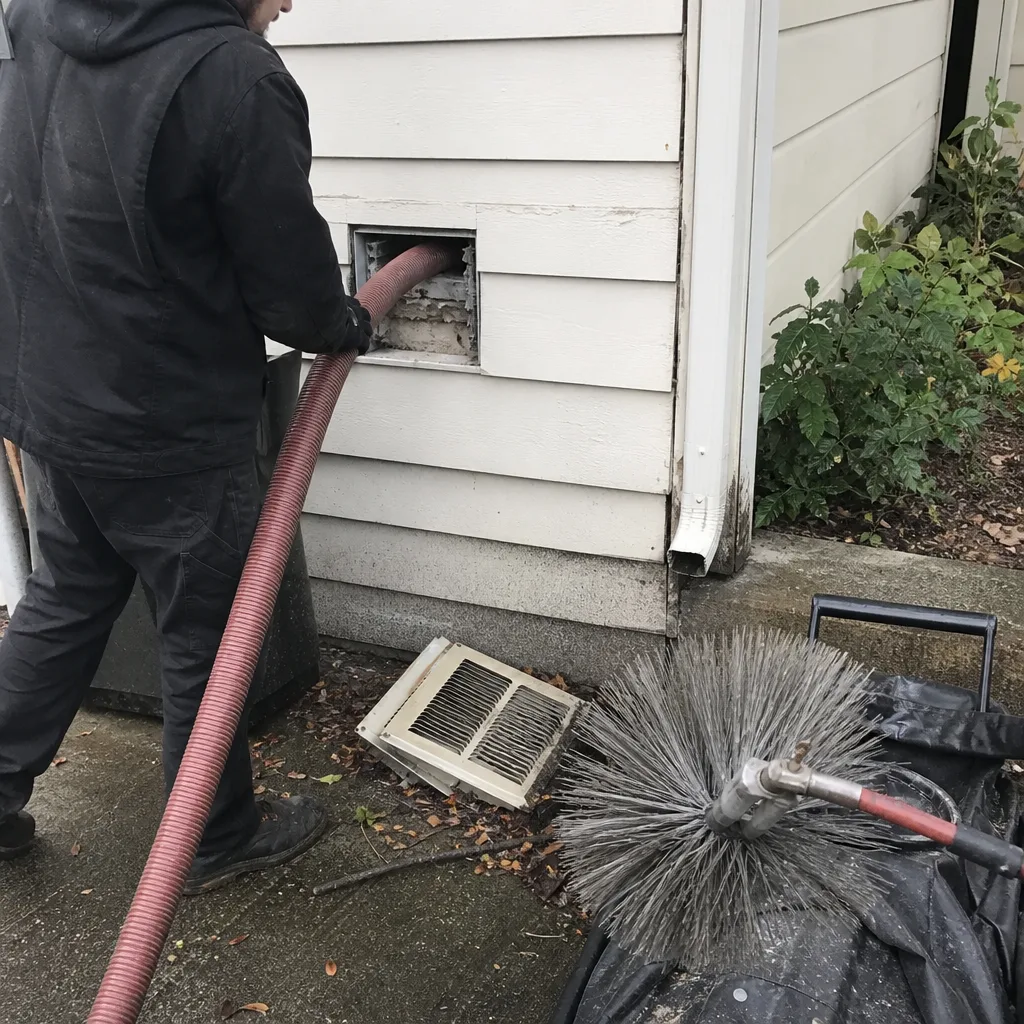 Before
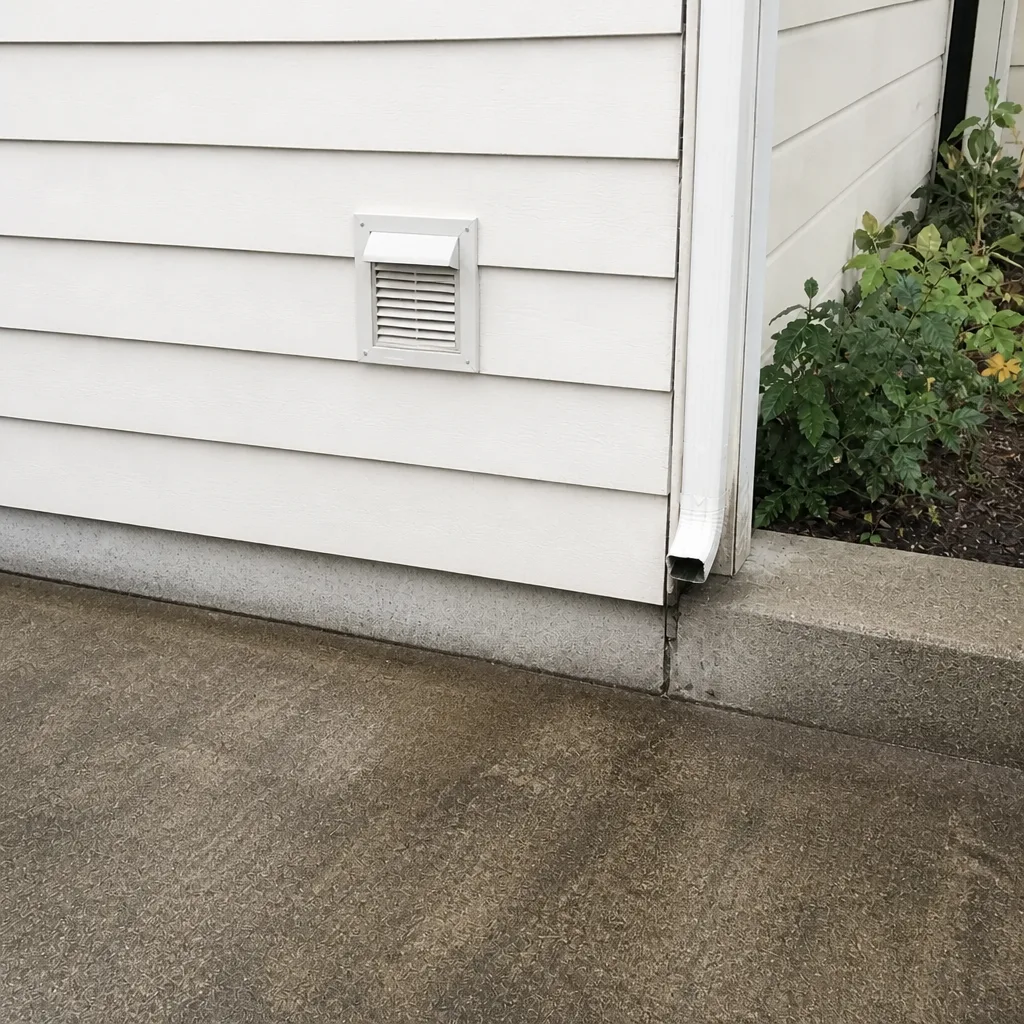 After
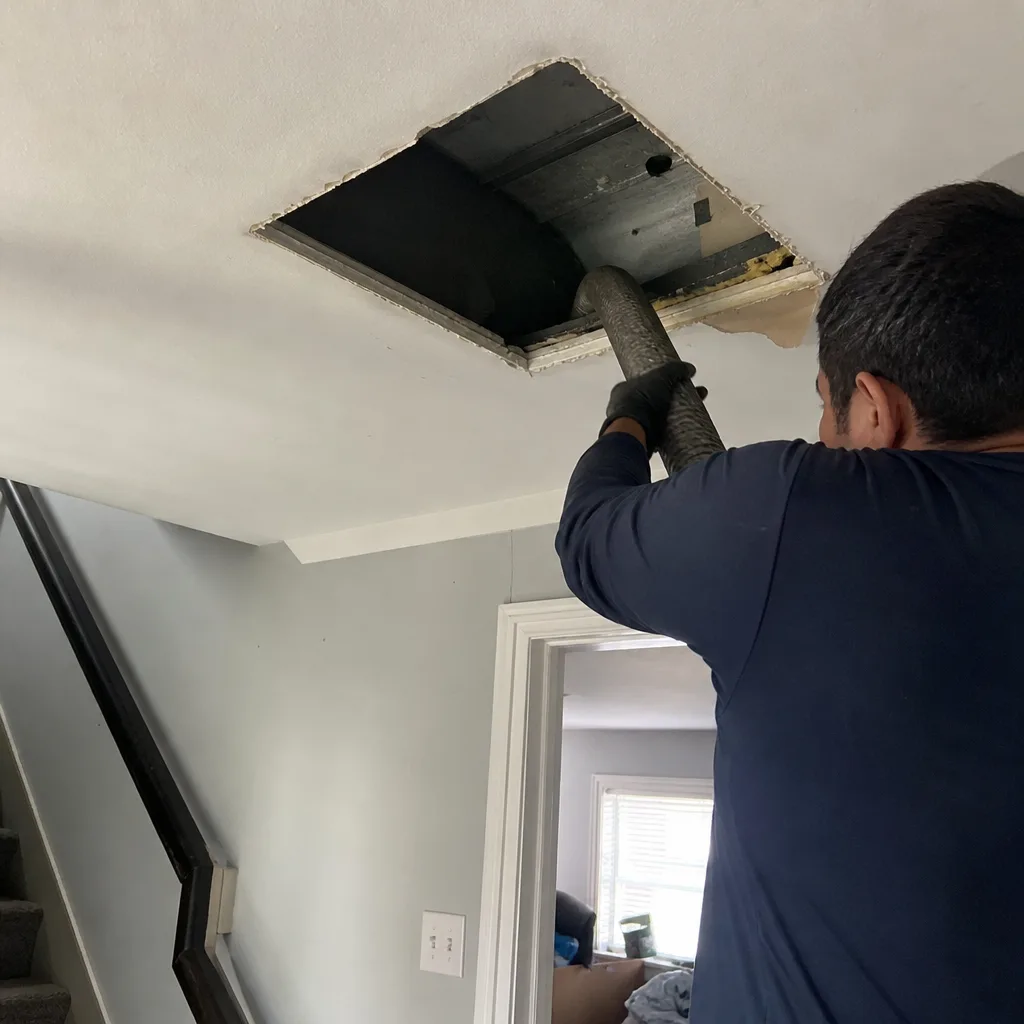 Before
 After
 Before
 After